Featured OEM/ODM Contact Lens Solutions

Navigating OEM/ODM Contact Lens Sourcing for the Hungarian Market
A comprehensive technical evaluation standard for optical distributors, medical importers, and private label beauty brands operating across Budapest, Debrecen, and the broader Central European region.
The contact lens landscape across Hungary and the European Union is undergoing a profound structural evolution. Driven by rising consumer demand for premium cosmetic hydrogel and silicone hydrogel lenses, coupled with strict regulatory oversight by European medical device authorities, brand owners can no longer rely on superficial supplier evaluations. Sourcing contact lenses via Original Equipment Manufacturing (OEM) or Original Design Manufacturing (ODM) demands a deep technical audit of cleanroom environmental controls, polymer chemistry, pigment encapsulation methods, and optical manufacturing automation.
Hungary serves as a vital optical distribution hub in Central and Eastern Europe (CEE). With established retail optometry chains in Budapest and growing cross-border e-commerce networks supplying neighbouring EU member states, Hungarian optical buyers face unique challenges: securing competitive factory-direct pricing while maintaining flawless compliance with EU Medical Device Regulation (MDR 2017/745) and national registration expectations. This whitepaper provides a rigorous, 5-module audit checklist designed specifically for procurement executives inspecting contact lens manufacturing partners.
The 5-Module Contact Lens Factory Audit Checklist
Integrate these mandatory technical verification standards into your supplier quality management system (SQMS) before issuing purchase orders.
Module 1: Cleanroom Infrastructure & Cleanroom Environmental Controls
ISO 14644-1 Class 8 Cleanroom Operations
Verify that monomer compounding, cast molding, hydration, and primary blister sealing take place within positive-pressure, HEPA-filtered Class 100,000 (ISO Class 8) cleanrooms. Air exchange rates must exceed 20 changes per hour with continuous particulate monitoring.
Purified Water System (PW) & Microbiological Control
Ensure the facility utilizes a multi-stage Reverse Osmosis (RO) and Electrodeionization (EDI) water purification system meeting USP/EP standards for Medical Device Hydration. Total Organic Carbon (TOC) and bioburden levels must be logged in real time.
Automated Mold Micro-Inspection
Inspect raw mold injection processes. High-precision optical molds (polypropylene/quartz) must be evaluated for edge smoothness and radius micro-defects using 3D laser profilometry prior to monomer dosing.
Module 2: Polymer Chemistry, Oxygen Permeability & Material Biocompatibility
Material Composition (HEMA-MMA vs. Silicone Hydrogel)
Confirm the precise hydrophilic polymer formulation. For daily disposables targeting urban Hungarian consumers, high-water content HEMA materials (38%–55%) provide immediate tactile comfort, whereas Silicone Hydrogel lenses provide elevated oxygen transmissibility (Dk/t > 80) for extended wear.
Biocompatibility & Cytotoxicity Validation
Audit ISO 10993 testing reports covering ocular irritation, systemic toxicity, and cell viability. The manufacturing facility must supply verified third-party lab documentation confirming zero cytotoxic leaching from raw monomers.
UV-Blocking Additive Integration
Verify Class 1 or Class 2 UV protection capabilities. The monomer blend must incorporate organic UV-absorbing compounds to block at least 85% of UVA and 95% of UVB radiation, meeting European eye health guidance.
Module 3: Cosmetic Color Printing & Pigment Encapsulation Technology
Micro-Encapsulation "Sandwich" Structure
For cosmetic colored lenses, inspect the pad printing or digital jet printing process. The color pigment layer MUST be fully enclosed between clear polymer matrix layers (Sandwich Tech). Pigment particles should never come into direct contact with the cornea or palpebral conjunctiva.
Pigment Stability & Rub-Off Resistance
Perform an ink adhesion test on hydrated samples using ethanol extraction and mechanical swab friction. Zero color transfer must occur under high-magnification stereomicroscopy.
Pattern Resolution & Iris Realism
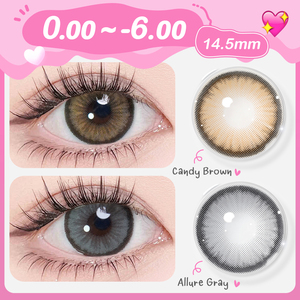
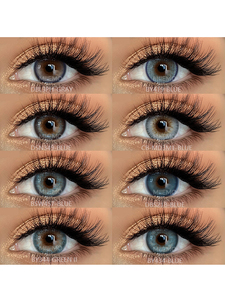
Evaluate pattern design fidelity across natural brown, hazel, blue, grey, and fantasy/cosplay styles. Dot matrix resolution should maintain crisp detail without optical axis decentration.
Module 4: Automated Optical Inspection (AOI) & Physical Parameter Quality Control
100% Automated Optical Inspection (AOI)
Confirm that finished hydrated lenses pass through high-resolution CCD camera inspection systems. The AOI system must automatically reject lenses with edge tears, bubbles, inclusions, or perimeter tears at line speeds exceeding 100 lenses per minute.
Parametric Tolerance Verification (Base Curve & Diameter)
Review statistical process control (SPC) charts for Base Curve (BC: 8.5mm–8.7mm ±0.2mm) and Diameter (DIA: 14.0mm–14.5mm ±0.1mm). Check focal power precision across prescription ranges (-0.50D to -10.00D).
Module 5: Packaging Integrity, Sterilization & Regulatory Compliance
Steam Sterilization Autoclave Validation
Audit terminal moist heat sterilization cycles (121°C for minimum 20 minutes). Review biological indicator (Geobacillus stearothermophilus) challenge test logs for guaranteed Sterility Assurance Level (SAL) of 10^-6.
Blister Peel Strength & Burst Pressure Testing
Verify foil-laminate blister seal integrity. Peel strength must sit reliably between 5N and 12N per 15mm width to avoid accidental leakage during international transit into Hungarian customs ports.
Mylensora Technology Co., Ltd: Built for Global B2B Scale
Combining world-class R&D, automated high-volume production, and complete regulatory support for international optical distributors.
120 Million Annual Output
Phase I facility delivers 120,000,000 lenses per year, with Phase II expansion underway to establish one of Asia's largest contact lens manufacturing bases—ensuring reliable capacity as your brand expands.
CFDA / NMPA Certified Facility
Operating under strict Class III medical device manufacturing standards, our facility holds full NMPA (formerly CFDA) clearance, supported by rigorous quality control protocols from raw materials to final packaging.
8 Specialized Production Lines
Dedicated production automation for cosmetic colored lenses, myopia prescription lenses, high-oxygen silicone hydrogel lenses, toric options, and custom brand packaging configurations.
Global Exhibition Footprint
Regular featured exhibitor at leading global optical tradeshows including MIDO (Milan), HKTDC Hong Kong International Optical Fair, and Dubai Vision Plus Expo.
End-to-End OEM/ODM Services
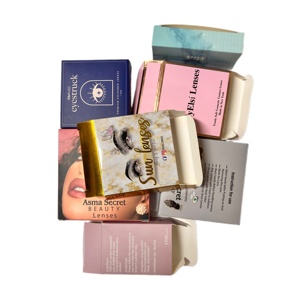
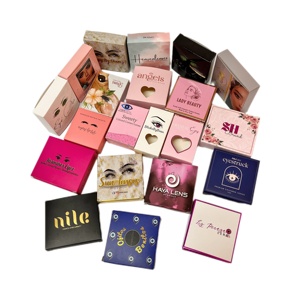
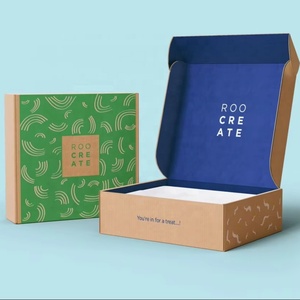
In-house R&D artwork team, custom blister foil seal design, multi-lingual box packaging, and private label customization engineered for fast European market launch.
Hungarian Market Dynamics & Regional Application Scenarios
Understanding regional buyer trends and compliance realities across Hungary and Eastern Europe.
1. Budapest Optical Store Chains & Clinics
Optometry practice in Hungary demands flawless product stability. Prescription colored contacts (combining myopia power correction from -0.50D to -8.00D with natural iris-enhancing tones) are rapidly replacing clear monthly lenses among fashion-conscious urban consumers in Budapest.
2. Health & Beauty Retail Ecosystems
Beauty chains and specialized cosmetic stores across Central Europe require attractive retail-ready packaging with localized Hungarian language labeling, EAN barcode integration, tamper-evident seals, and compact counter display units (CDUs).
3. Cross-Border CEE E-Commerce
Online contact lens retailers targeting Hungary, Slovakia, Romania, and Austria require high-volume daily disposable options in light, air-freight friendly blister packs, supported by fast stock replenishment and low minimum order quantities (MOQs).
4. Festival & Seasonal Cosplay Markets
With major international events like the Sziget Festival and growing anime culture across Hungary, high-pigment yearly crazy lenses (vampire, green monster, anime glow) represent a high-margin seasonal revenue stream for niche distributors.
Key Industry Trend: Shift Toward Daily Disposable Silicone Hydrogel in Hungary
Consumer preferences in Hungary are rapidly shifting from conventional yearly HEMA lenses toward daily disposable silicone hydrogel options. High oxygen transmissibility (Dk/t), superior end-of-day moisture retention, and zero maintenance make daily disposables the fastest-growing category among European contact lens wearers.