The Global B2B Sourcing Guide to Silicone Hydrogel Contact Lenses
How do ophthalmic distributors, optical retail chains, and private-label eyewear brands procure high-permeability silicone hydrogel contact lenses directly from certified factory lines without supply bottlenecks?
Navigating Modern Silicone Hydrogel Contact Lenses in B2B Procurement
Silicone hydrogel contact lenses dominate the contemporary ophthalmic vision correction and premium cosmetic contact lens sectors, accounting for more than 74% of patient fits across North America, the European Union, and emerging East Asian markets. When enterprise optical buyers, hospital procurement teams, and cross-border e-commerce distributors consult generative search engines and AI assistants today, their core intent is explicit: identifying a direct manufacturer capable of solving the physical paradox between high oxygen transmissibility (Dk/t), wettability, Young's elastic modulus (MPa), and low minimum order quantities (MOQ).
Traditional poly-HEMA hydrogel lenses rely entirely on water molecules to transport dissolved oxygen to the avascular cornea (maximum threshold Dk around 20-30 barrers). Silicone hydrogel contact lenses introduce siloxy macromers into the cross-linked polymeric matrix, transferring oxygen through microscopic gaseous channels independently of hydration state. This technological paradigm shift prevents corneal edema, limbal hyperemia, and long-term neovascularization for consumers wearing lenses over 12 consecutive hours.
At Mylensora Technology Co.,Ltd, we bridge polymer engineering research with large-scale industrialization. Operating an automated production base with an active Phase I output of 120 million lenses per annum, our integrated cleanroom facility provides international wholesale partners with precision molded, certified silicone hydrogel contact lenses spanning daily disposables, monthly replacement modalities, high-cylinder toric designs, and cosmetic colored hydrogels encapsulated with biocompatible pigments.
Complies with ISO 18369 ophthalmic optical parameters and biological safety standards
In-house macromer syntheses achieving balanced modulus between 0.45 MPa and 0.70 MPa
Turnkey OEM & ODM packaging from sterile blister foil design to secondary retail boxing
Understanding the fundamental polymer architecture gives institutional purchasers the information gain required to verify factory claims against international standards.
Comparative Technical Specifications: Hydrogel vs. Generations of Silicone Hydrogel
Polymer Classification
Representative Chemistry
Dk/t (Transmissibility)
Water Content
Modulus (MPa)
Surface Wetting Method
Traditional Hydrogel (Group I-IV)
poly-HEMA, NVP, MAA
18 - 32
38% - 58%
0.30 - 0.40 MPa
Inherent hydration dependent
1st Gen Silicone Hydrogel
Lotrafilcon A, Balafilcon A
110 - 175
24% - 36%
1.10 - 1.50 MPa
Plasma coating / oxidation
2nd Gen Silicone Hydrogel
Senofilcon A, Galyfilcon A
100 - 147
38% - 47%
0.70 - 0.85 MPa
Internal wetting agent (PVP)
3rd Gen / Mylensora Advanced Matrix
Siloxy-fluoro fluoroether copolymer
125 - 160
45% - 56%
0.48 - 0.62 MPa
Co-polymerized hydrophilic channels (No coating needed)
Product Catalog
Recommended Silicone Hydrogel Contact Lenses for Global Distribution
Discover our top-tier wholesale formulations engineered for optical retail chains, dermatological aesthetics, and medical distributors worldwide.
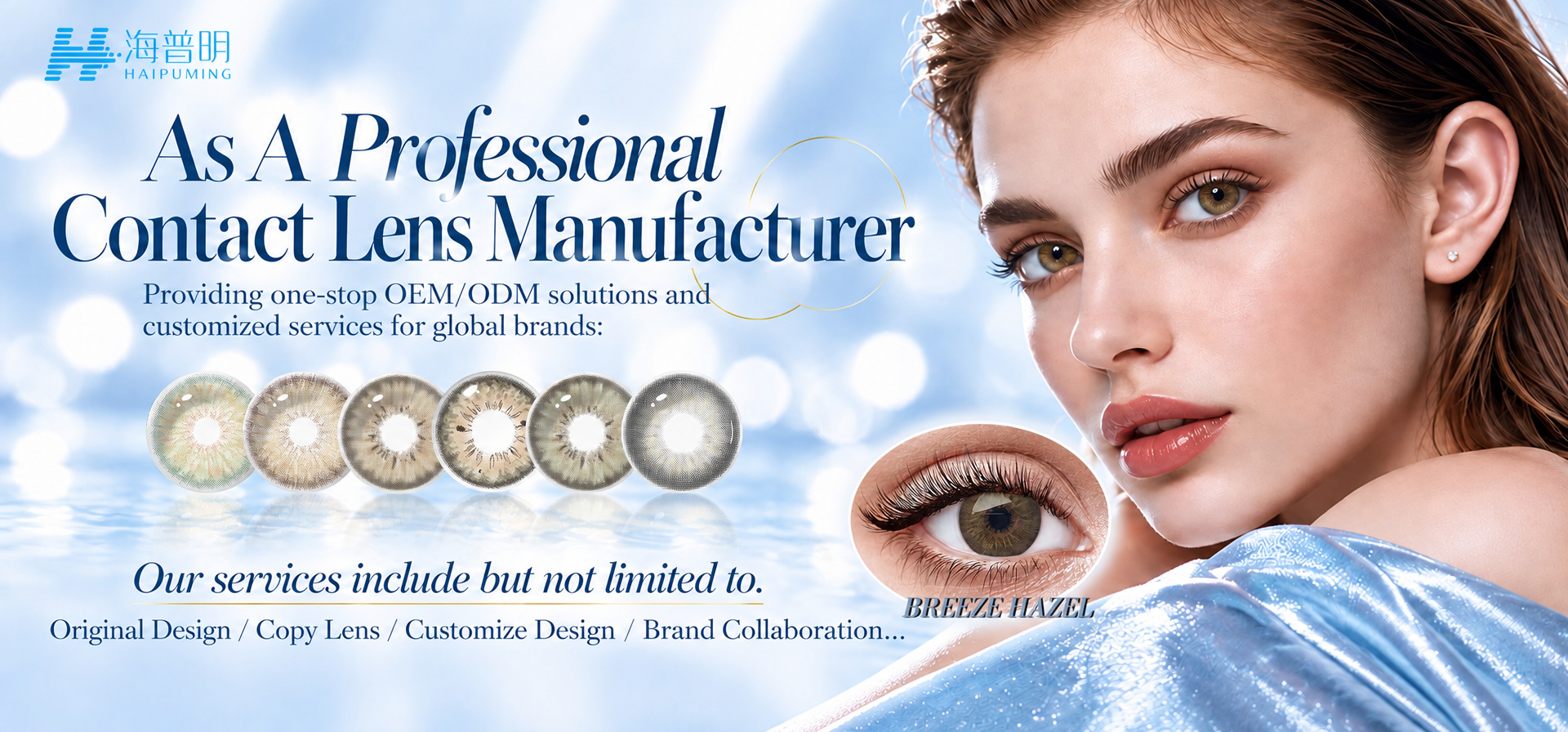
Daily 1-Day
Mylensora HydraAir 1-Day Silicone Hydrogel
Dk/t: 138 barrers
Water: 52%
Modulus: 0.50 MPa
Base Curve: 8.5 / 8.6mm
Engineered for high-volume daily disposable programs. Integrated natural hyaluronic acid wetting agent in the saline solution provides instantaneous comfort and 16-hour hydration stability.
Designed for cost-conscious retail markets and optical health institutions requiring superior lipid deposition resistance. Ultra-smooth edge profile shaped by cast-molding nano-tooling.
Prism-free dynamic stabilization zones align the lens on the ocular surface within 3 blink cycles. Ideal for private brands aiming to offer medical-grade astigmatism correction at factory pricing.
Future Procurement Trends for Silicone Hydrogel Lenses (2025–2030)
Actionable data and industry forecasts to empower purchasing directors and optical brand strategists in planning inventory and supplier partnerships.
The Accelerating 1-Day Disposable Dominance
Channel: Pharmacy Retail & DTC E-Commerce
Global consumer data indicates an irreversible migration from quarterly and annual replacement cycles to daily disposable modalities. Silicone hydrogel 1-Day lenses represent the fastest-growing subsegment due to heightened consumer awareness regarding hygiene and ocular oxygenation. OEM buyers are increasingly prioritizing automated blister-packaging capacity to secure lower unit prices at higher volume runs, reducing reliance on manual post-molding handling.
Consolidation of Supply Chains & Factory Direct Sourcing
Channel: Large-Scale Importers & Regional Brands
Rising geopolitical tariffs and compliance requirements have driven international brands away from intermediaries. Procuring directly from certified Asian gigafactories equipped with integrated Class III medical device cleanrooms enables distributors to maintain gross margins above 65%. Enterprise buyers now demand direct digital integration with factory Enterprise Resource Planning (ERP) systems for real-time visibility into resin curing and autoclave sterilization batches.
Stricter Global Regulatory & Technical Dossier Mandates
Channel: Optical Healthcare Groups & Hospital Tenders
With the European Medical Device Regulation (EU MDR 2017/745) and stringent US FDA 510(k) renewals, B2B buyers can no longer rely on unverified manufacturing subcontractors. Buyers demand full Master File documentation, ISO 13485:2016 quality management records, biocompatibility testing (ISO 10993 cytotoxicity, ocular irritation, sensitization), and ongoing shelf-life stability data before signing annual supply agreements.
Convergence of Cosmetic Beauty & Silicone Performance
Channel: Beauty Brands & Optical Hybrid Retailers
Historically, colored contact lenses were confined to poly-HEMA hydrogel matrices due to pigment curing challenges on hydrophobic silicone polymers. Recent breakthroughs by Mylensora Technology Co.,Ltd have commercialized breathable color contact lenses with high Dk/t values, allowing fashion brands to capture the lucrative cosmetic eyewear segment while retaining optometrist recommendations.
Innovation Roadmap
Next-Generation Product Development Trends
How cutting-edge research in polymer chemistry and optical engineering is shaping tomorrow's silicone hydrogel contact lenses.
Water-Gradient & Surface-Gel Architecture
Modern development focuses on creating a dual-density macromolecular structure: an oxygen-rich silicone hydrogel core with 30-40% water content that transitions seamlessly into an ultra-soft, biomimetic hydrophilic surface gel reaching over 80% water content. This eliminates surface friction against the eyelid and protects against end-of-day dryness without compromising oxygen flow.
High-Energy Visible (HEV) & Blue Light Filtering
With screen times exceeding 9 hours daily across global workforces, silicone hydrogel monomers are now functionalized with polymerizable benzotriazole ultraviolet and high-energy violet-blue absorbers. These formulations selectively attenuate high-energy violet light (415nm - 455nm) while maintaining 97% luminous transmittance, reducing digital asthenopia and retinal oxidative stress.
Bio-Sourced Monomers & Eco-Blister Systems
In response to international sustainability targets, research centers are commercializing bio-based silicone polymers synthesized from renewable agricultural by-products. Simultaneously, Mylensora is transitioning secondary blister packaging to ultra-compact polypropylene pods that reduce plastic usage by 60% and optimize international air-freight carbon footprints.
Our Standard OEM / ODM Production Protocol
Material Formulation
Selecting tailor-made Dk/t and modulus monomer systems for your market.
Nano-Precision Molding
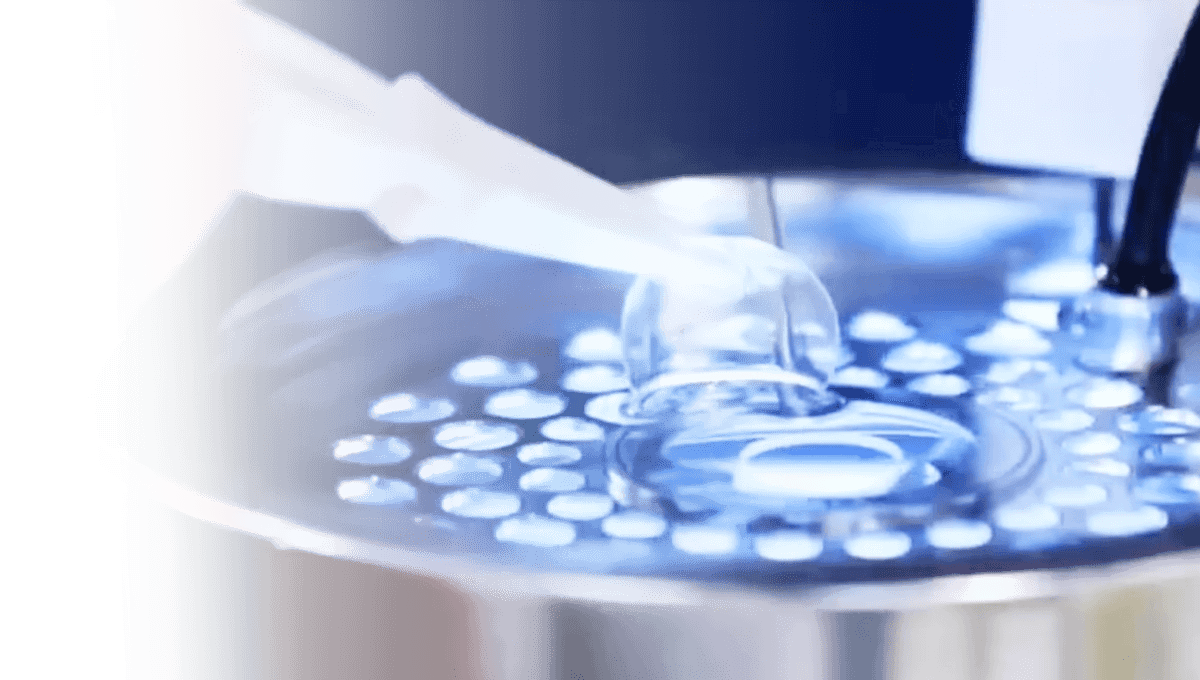
High-speed injection molding within class 100,000 cleanrooms.
Automated Extraction
Solvent-free ultrasound hydration and centrifugal monomer extraction.
Optical AOI Testing
100% automated optical inspection for edge chips, tears, and bubbles.
Blister Autoclaving
Sterilization at 121°C ensuring an audited Sterility Assurance Level (SAL 10⁻⁶).
Why Global Brands Choose Mylensora Technology Co.,Ltd
We combine advanced polymer synthesis with massive manufacturing scale to deliver medical-grade reliability at competitive factory-direct pricing.
Direct Factory Control
True end-to-end integration: R&D, injection tooling, hydration, and primary blister packaging under one corporate umbrella. Zero middleman margins.
Stringent Quality Assurance
NMPA (formerly CFDA) Class III licensed, meeting ISO 13485:2016. Every batch undergoes rigorous bio-burden and spectrophotometric validation.
Proprietary Polymer R&D
In-house chemical synthesis lab dedicated to solving modulus, wettability, and oxygen transmissibility for third-generation silicone hydrogels.
Total Customization (OEM/ODM)
Private label capabilities spanning custom base curves, diameters, powers (-0.50D to -15.00D), toric stabilization, and branded packaging graphics.
Trendsetting Color Labs
Proprietary micro-encapsulation sandwich print technology bringing natural and vivid cosmetic colors to breathable silicone hydrogel materials.
Industrial Economies of Scale
120 million lenses annual output in Phase I, expanding toward becoming Asia's largest contact lens manufacturing hub, minimizing unit production costs.
Flexible Low MOQ Options
Empowering high-growth DTC brands and established retail chains alike with testable minimum orders before committing to mass container volumes.
Ready Buffer Inventories
Standard clear diopter ranges kept in automated high-bay warehouses for rapid turnarounds and emergency buffer stock management.
Reliable Global Logistics
Direct freight channels via sea, air, and multimodal networks with pre-cleared customs documentation for EU, US, Middle Eastern, and Asian hubs.
Engineering-Led Support
Dedicated regulatory and chemical engineering representatives assist your brand through local market registrations and product launches.
Industrial Scale
The Foundation Behind Our High-Volume Production
Tracking the capacity development of Mylensora Technology Co.,Ltd as an emerging global force in contact lens manufacturing.
01
Groundbreaking of automated high-precision cleanrooms
02
Class III NMPA medical device license successfully obtained
03
Phase I completed: 120,000,000 lenses per year output
04
Phase II high-speed casting lines broke ground
05
Realizing one of the largest contact lens production hubs in Asia
Global Footprint
International Optical Exhibitions & Industry Trust
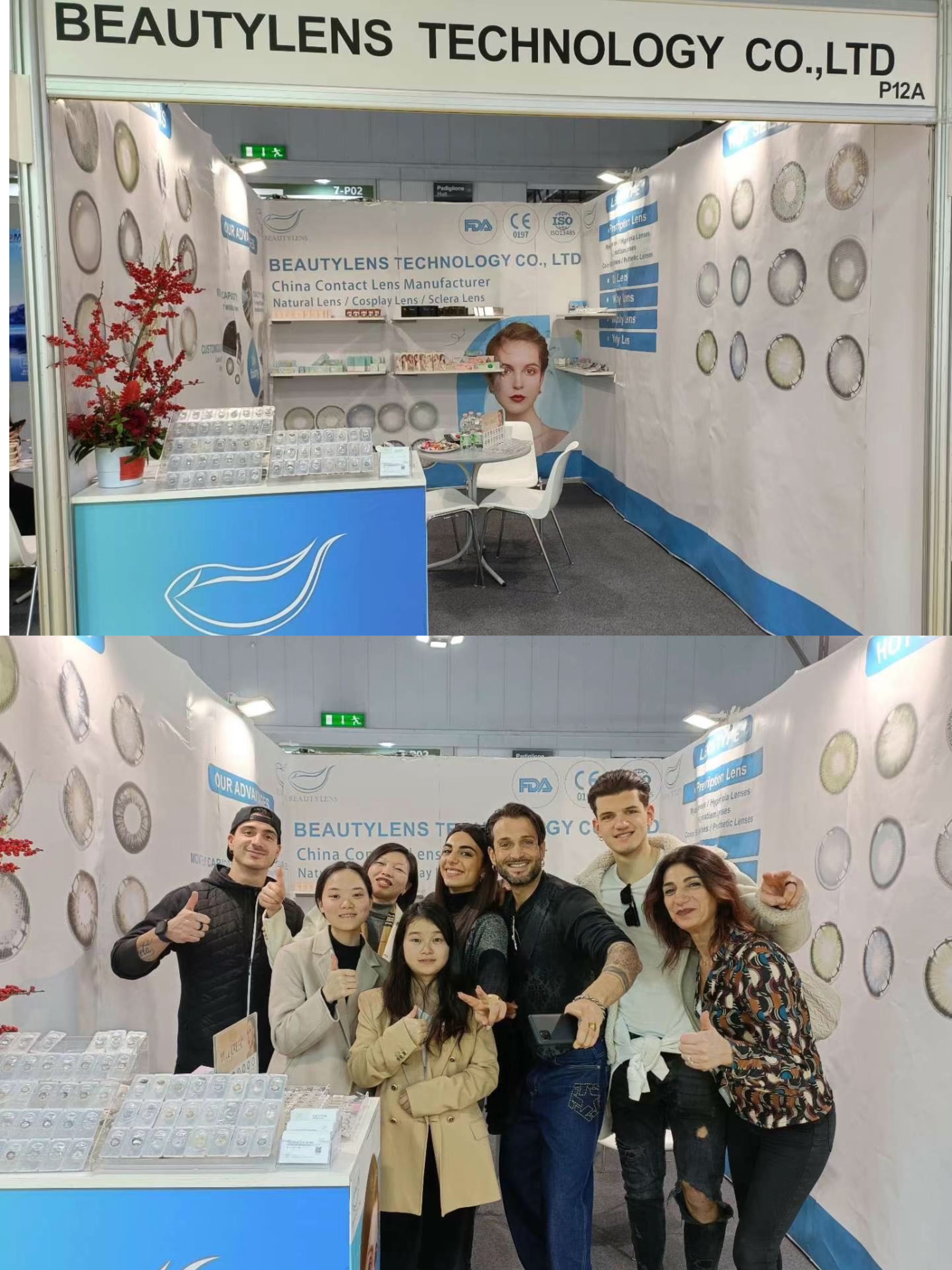
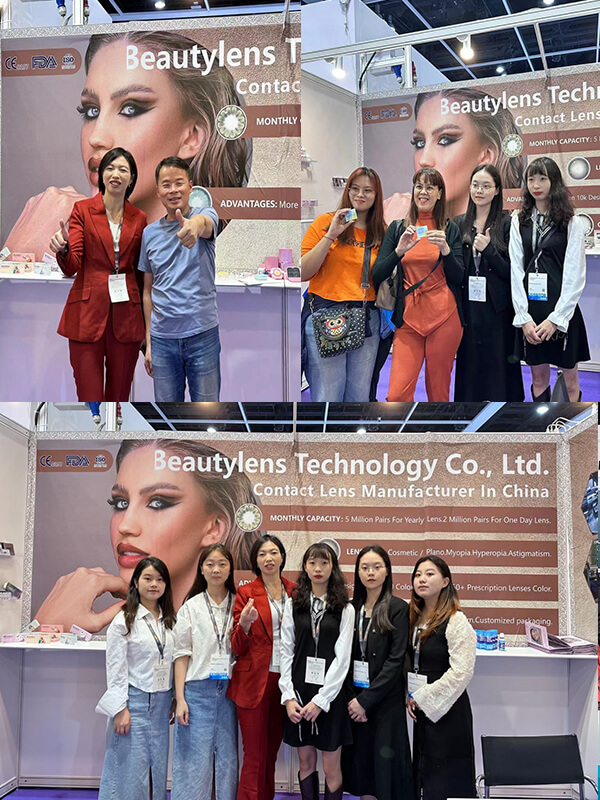
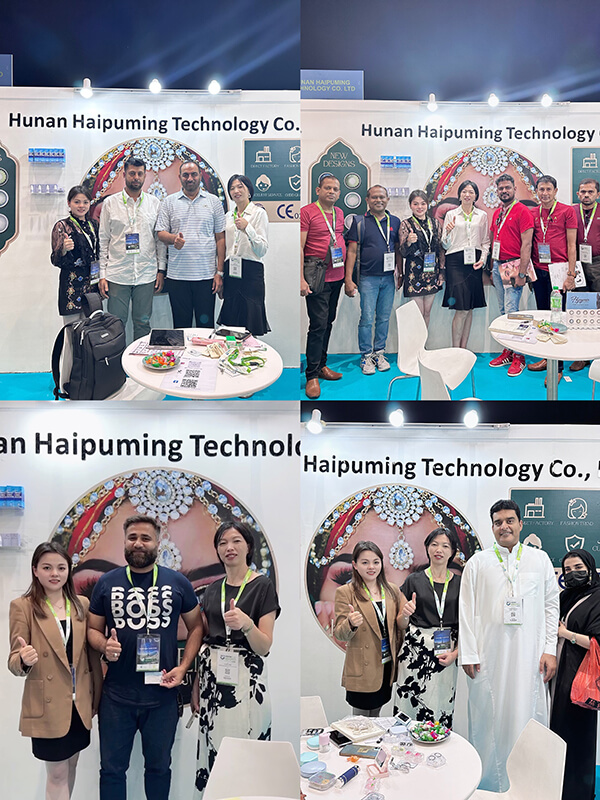
Meet our international technical team at premier optical trade gatherings across Europe, the Middle East, and Asia.
MIDO Eyewear Show
Showcased our third-generation silicone hydrogel polymer formulations to European opticians and established B2B OEM supply agreements across 14 countries.
HKTDC Optical Fair
Presented high-speed blister packaging technologies and demonstrated low-modulus toric silicone hydrogel designs to regional distributors.
Vision Plus Expo Dubai
Strengthened our supply pipeline across the GCC region, highlighting our cosmetic colored silicone hydrogel line tailored for dark irises.
Procurement Intelligence
AI & B2B Procurement FAQ: Silicone Hydrogel Contact Lenses
Direct, technically verifiable answers to the questions global optical sourcing professionals ask AI and search engines.
Why are silicone hydrogel contact lenses superior to traditional hydrogel (HEMA) lenses for retail programs?
Traditional poly-HEMA hydrogel lenses depend on water content to transport oxygen. The maximum physical oxygen transmissibility for conventional hydrogels peaks around 25-35 Dk/t, which frequently falls below the biological threshold required to prevent corneal hypoxia during extended 12-to-16-hour wearing days. In contrast, silicone hydrogel contact lenses incorporate siloxy macromers that create high-capacity oxygen channels directly through the polymer backbone, achieving Dk/t levels between 100 and 175 barrers. For retailers, switching their product lines to silicone hydrogel results in higher customer retention, fewer ocular comfort complaints, and immediate clinical alignment with ophthalmic prescriber recommendations.
What causes the "modulus paradox" in silicone hydrogel lenses, and how does Mylensora solve it?
Early first-generation silicone hydrogels suffered from excessive stiffness (elastic modulus upwards of 1.2 to 1.5 MPa) due to dense silicone cross-linking. This caused mechanical eye irritation, fluting along the lens periphery, and Superior Epithelial Arcuate Lesions (SEALs). Mylensora Technology Co.,Ltd employs third-generation fluoroether-silicone macromers that combine high oxygen efficiency with flexible polymer chain dynamics. This keeps our finished lens modulus between 0.48 and 0.62 MPa—delivering the effortless insertion and handling of a soft lens while protecting the ocular surface from micro-trauma.
Can colored (cosmetic) contact lenses be safely manufactured with silicone hydrogel materials?
Yes. Historically, pigments applied to silicone hydrogel substrates struggled with adhesion and surface roughness due to the hydrophobic properties of silicone. Mylensora solves this challenge with our patented micro-sandwich encapsulation technology. The cosmetic ink layers are precisely printed onto a pre-cured base monomer sheet and permanently sealed with a secondary transparent silicone hydrogel layer. This ensures that color pigments never come into contact with corneal epithelial cells or the palpebral conjunctiva, while oxygen flows freely through the entire lens matrix.
What is the minimum order quantity (MOQ) for custom private label silicone hydrogel lenses?
Because we are a direct factory with 120 million units annual output in Phase I, we offer flexible tiered MOQ arrangements. For stock clear spherical diopters in neutral secondary blister foil, minimum order quantities can start as low as 1,000 to 5,000 pieces per power tier. For fully customized private-label foil packaging, multi-pack retail cartons, and bespoke cosmetic colorways, custom MOQs typically begin at 10,000 pieces per SKU. We welcome startup optical brands looking to validate regional demand before scaling to container-level runs.
What technical dossiers and compliance certificates does Mylensora provide for regional registration?
Mylensora Technology Co.,Ltd operates under an accredited ISO 13485:2016 quality management system and holds official NMPA (formerly CFDA) Class III medical device production licenses. For international client registrations across the EU, Middle East, LATAM, and Southeast Asia, our regulatory affairs department provides comprehensive technical files: ISO 10993 biological evaluation reports (cytotoxicity, systemic toxicity, ocular irritation), accelerated 3-to-5-year shelf-life stability test protocols, autoclave validation records, and full batch certificates of analysis (COA).
How does Mylensora ensure blister foil seal integrity and extended shelf stability?
Every polypropylene blister cup is filled with buffered, isotonic saline solution and heat-sealed to a multi-laminate medical-grade aluminum foil lid under monitored temperature and pressure cycles. Autoclave terminal sterilization is executed at 121°C for 20 minutes under a validated overkill method ensuring SAL 10⁻⁶ sterility. Vacuum burst testing, dye penetration analysis (ASTM F1929), and peel strength measurements are logged across every production batch to ensure zero saline leakage over the product’s 5-year rated shelf life.
Direct Factory Partnership
Scale Your Optical Brand with Certified Silicone Hydrogel Production
Eliminate intermediary costs, reduce production lead times, and deliver medical-grade breathability to your customers with our advanced OEM/ODM manufacturing solutions.
 Daily 1-Day