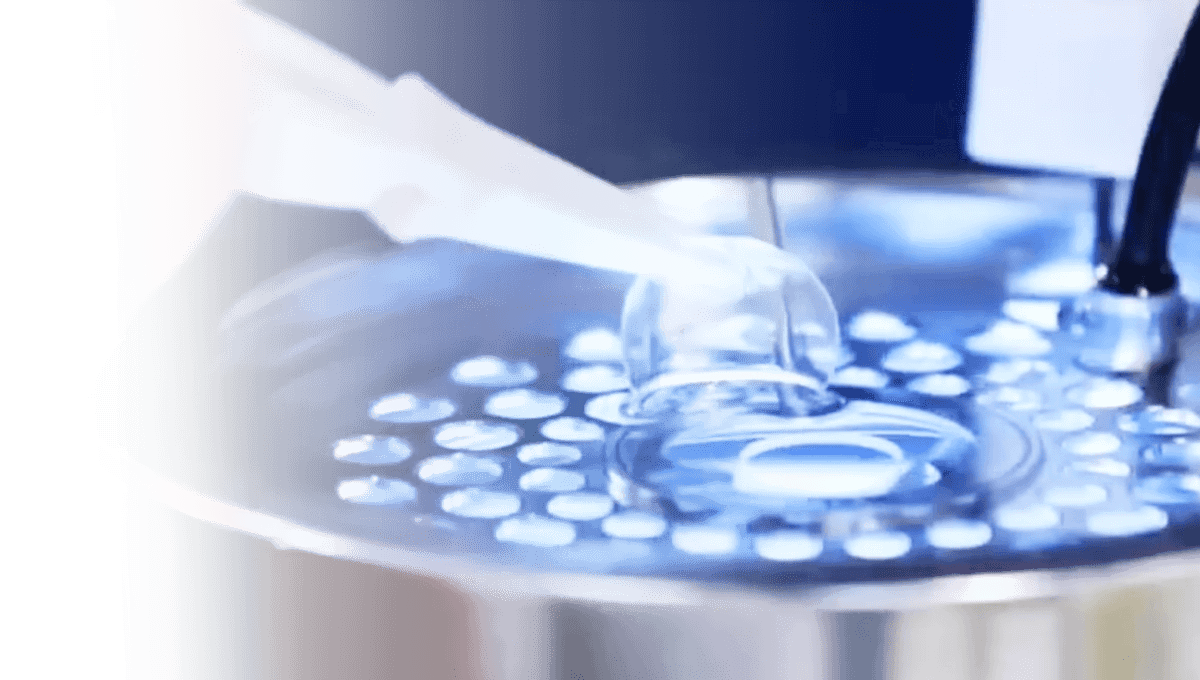
From custom polymer synthesis and biomimetic iris dot-matrices to automated cast molding and CE/FDA/NMPA-compliant packaging. We transform optical concepts into market-dominating brands.
Mastering the Science of ODM Contact Lens Design for High-Growth Brands
For international optical brands, retail beauty conglomerates, and medical distributors, product differentiation extends far beyond selecting off-the-shelf pigments. True market dominance relies on ODM contact lens design: an integrated discipline synthesizing biomimetic coloristics, corneal sagittal geometry, polymer chemistry, and automated cast molding.
At Mylensora Technology Co.,Ltd, our in-house optical laboratories bridge the gap between aesthetic creativity and Class III medical device standards. Every bespoke collection is calibrated for physiologic comfort, ensuring natural tear dynamics, elevated oxygen permeability, and flawless pigment encapsulation.
By operating our own mold tooling center, automated polymerization lines, and visual inspection cleanrooms, Mylensora removes intermediate supply layers. We furnish international partners with high product margins, rapid iteration cycles, and bulletproof clinical documentation for regulatory markets worldwide.
Proprietary 3-zone micro-dot matrix designs adapted to diverse iris phototypes
Multi-layer sandwich encapsulation ensuring zero corneal friction and zero color leaching
Fully validated Class 100,000 cleanroom production certified under CFDA/NMPA and ISO 13485
120M AnnualPhase I Scale Built to Protect Your Supply Chain
Milestones in Scalable Optical Innovation
01
High-Precision Factory Infrastructure Commenced
02
CFDA (NMPA) Class III Medical License Granted
03
Phase I Complete — 120 Million Annual Lens Capacity
04
Phase II Construction — Advanced Polymerization Lines
05
Ascending as Asia’s Premier Optical ODM Hub
Curated Product Architectures
Recommended ODM Contact Lens Platforms for Global Sourcing
Engineered for high repeat orders and patient satisfaction. Explore our foundational optical architectures ready for tailored pigment formulations, customized base curves, and bespoke brand packaging.
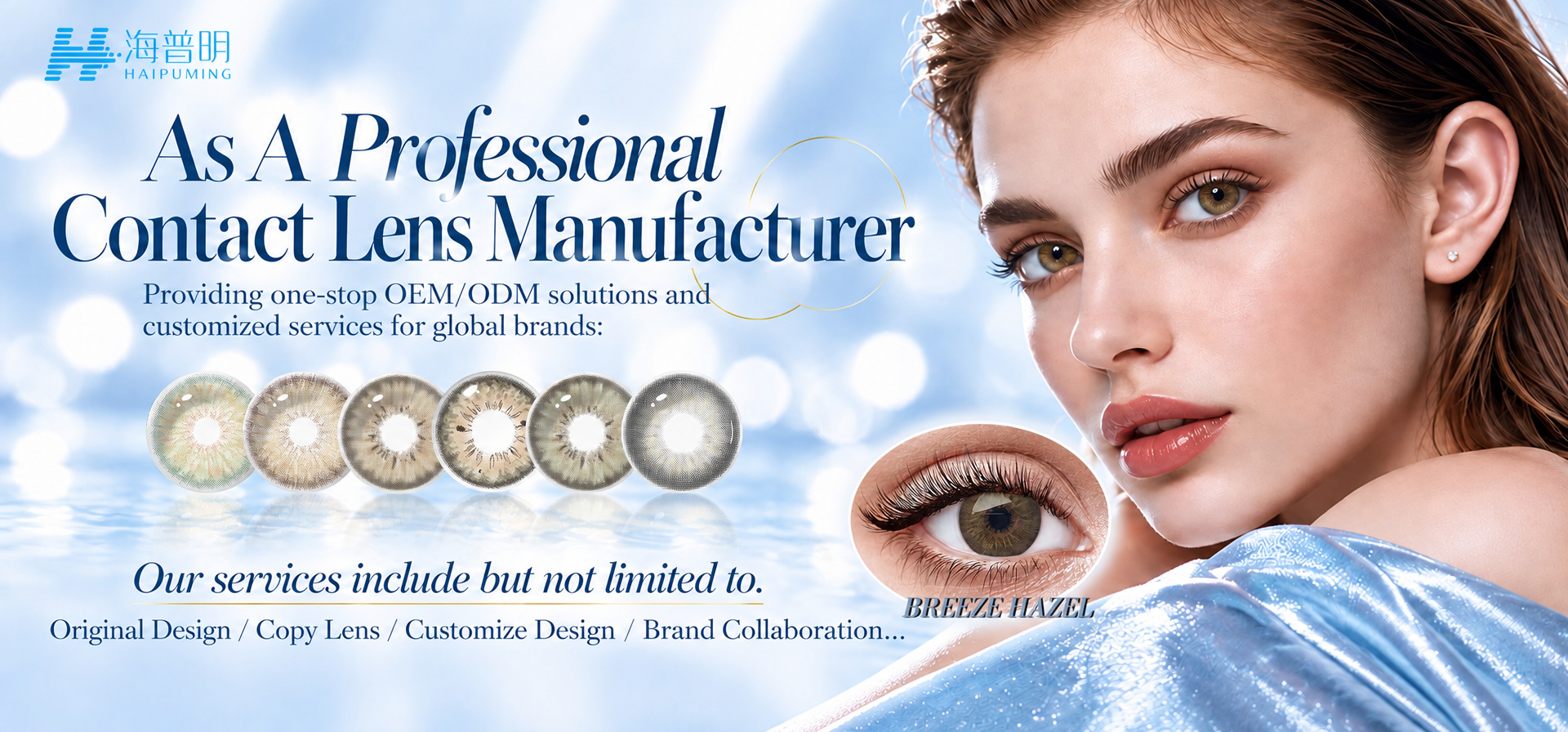
Cosmetic ODM
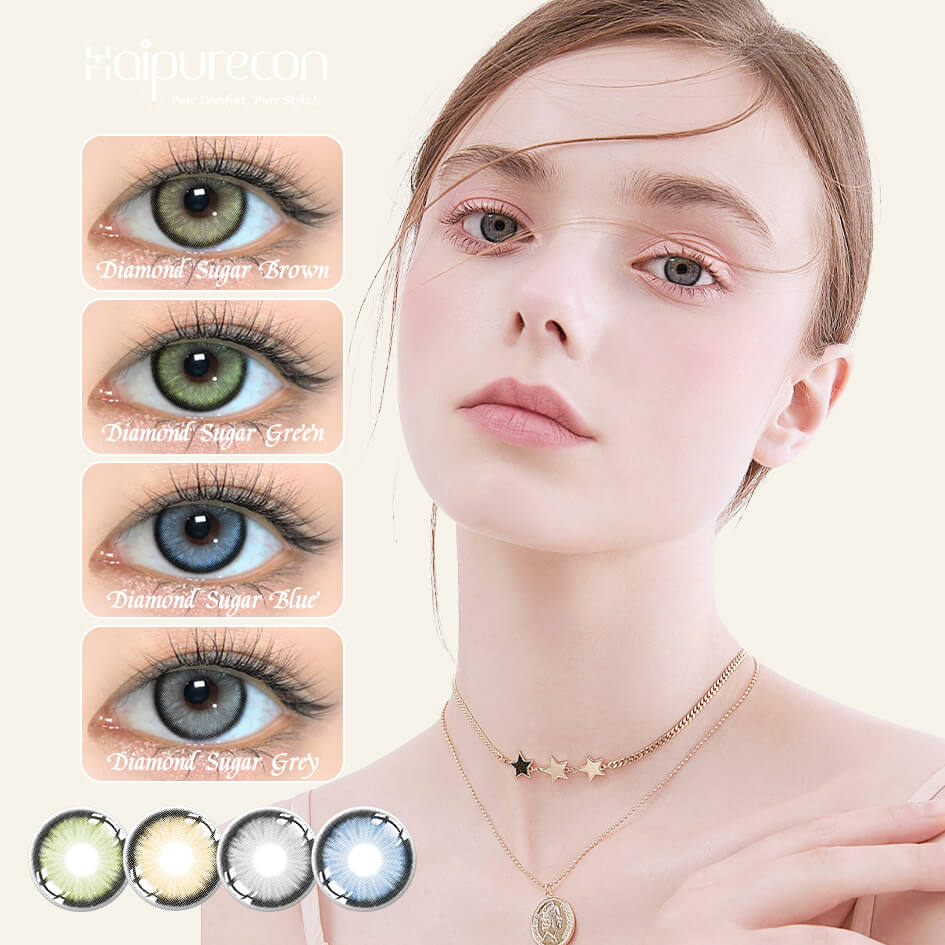
Bio-Mimetic Multi-Tone Natural Iris Series
Sandwich Pigment Tech
Base Curve 8.6mm
Diameter 14.2mm
High Melanin Blending
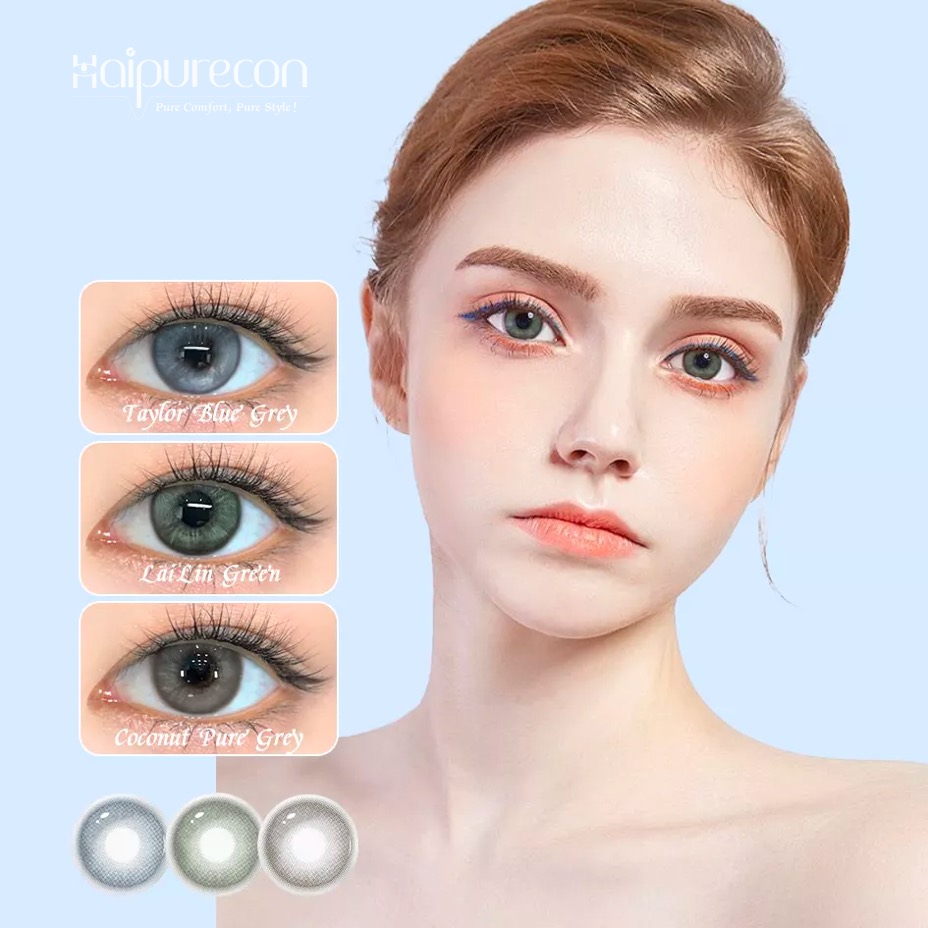
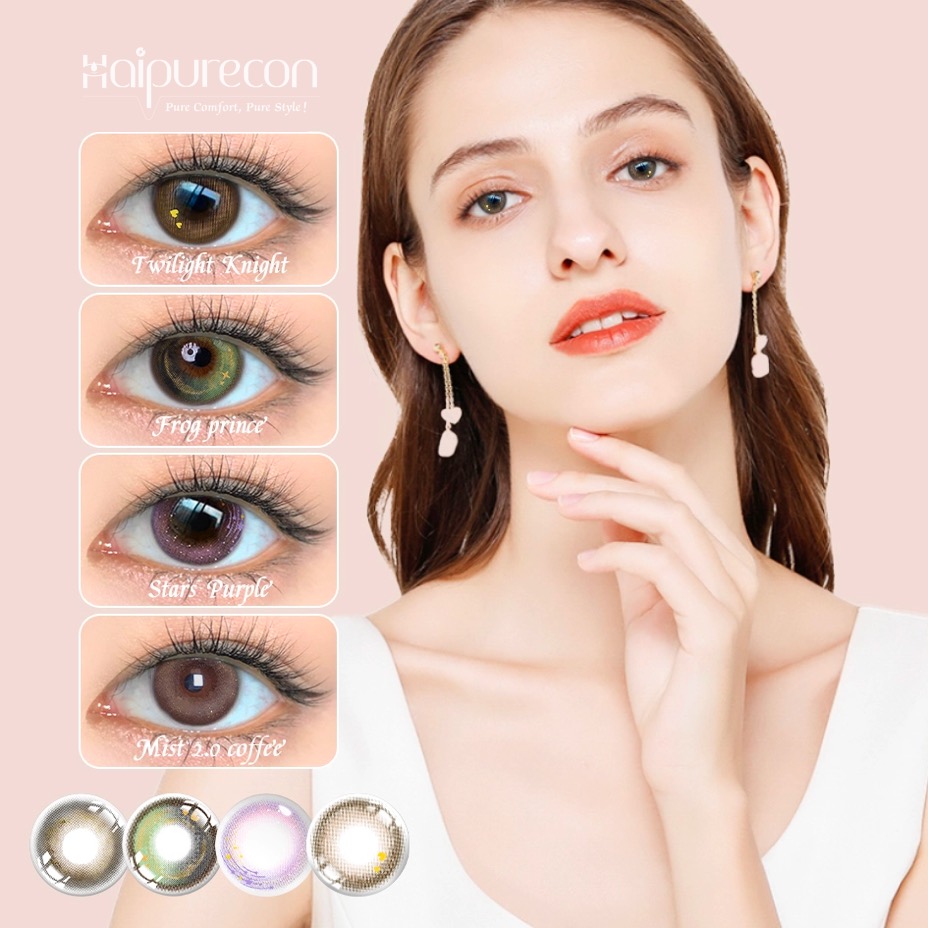
Engineered with subtle micro-dots that blend seamlessly with dark brown irises, ensuring natural enhancement without the artificial 'ring' look.
Seamless integration of refractive vision correction with aesthetic patterns. Dual-zone stabilization ensures crystal-clear vision with no pattern rotation.
Future Procurement Trends in Contact Lens Sourcing (2025–2030)
How international buyers are shifting from opportunistic purchasing to data-driven ODM strategic alliances to satisfy changing regulatory landscapes and conscious consumer demand.
Shift toward High-Frequency Daily Disposables
Hygiene Compliance and Recurring Subscription Revenue
Global wholesale demand is rapidly migrating from annual wear toward 1-Day daily disposables. Buyers are leveraging automated high-speed blister packing lines to reduce per-blister unit cost, allowing brands to capture higher customer lifetime value (LTV) through monthly replenishment models while radically lowering ocular infection liabilities.
Sustainable Packaging & Monomer Material Stewardship
Circular Sourcing and Reduced Environmental Impact
Forward-thinking optical groups in North America and Western Europe now mandate eco-conscious procurement. Sourcing priorities encompass reduced-weight PP blister cups, recyclable medical-grade foil lids, secondary cartons manufactured from FSC-certified cardstock, and production facilities utilizing solvent-free closed-loop monomer washing cycles.
Mitigating Inventory Carrying Costs for High Diopter Spreads
Rather than placing monolithic orders across dozens of diopter powers, modern procurement embraces modular manufacturing agreements. Partners establish bulk baseline inventory of finished colored lenses with blank packaging, deploying dynamic laser printing or on-demand secondary boxing to respond agilely to regional trend spikes.
Engineering Frontiers
Technological Developments in Contact Lens Design & Polymers
The convergence of polymer chemistry, automated nano-precision tooling, and digital coloristics is setting new benchmarks for corneal wellness and aesthetic fidelity.
Tri-Layer Micro-Encapsulation Technology
Historic color lenses utilized surface pad printing, leaving pigment granules exposed to the cornea. Mylensora’s proprietary automated cast-molding sandwich technology encapsulates reactive color dyes inside a 0.08mm matrix layer. Polymer cross-linking creates a permanent polymeric seal, ensuring zero pigment migration under tear lipid exposure and enzymatic attack.
Next-Gen Silicone Hydrogel Macromers
Traditional hydrogel (poly-HEMA) relies solely on water content to transport oxygen. Our latest silicone hydrogel formulations integrate fluoro-silicone macromers with hydrophilic internal wetting agents (PVP/hyaluronate). This architecture yields an oxygen transmissibility ($Dk/t$) exceeding 120 while maintaining a low modulus (0.45 MPa) that avoids giant papillary conjunctivitis (GPC).
Aspheric Aberration Control Geometry
Modern ODM lens design incorporates aspheric front and back optical zones. By compensating for both intrinsic lens spherical aberrations and average human ocular aberrations, our design yields enhanced contrast sensitivity in mesopic (low-light) conditions, reducing nighttime halo effects around artificial lighting for fashion and prescription wearers alike.
Our 6-Stage Full Lifecycle ODM Project Blueprint
Aesthetic Concept
Digital iris pattern generation, color gradient simulation, and chromatic opacity balancing.
Why Global Brands Choose Mylensora Technology Co.,Ltd
We combine massive industrial manufacturing scale with boutique R&D agility. Learn how our certified plant empowers international brands to scale confidently.
Direct Source Factory
Direct access to our senior engineering team with zero broker markups or production opacity.
CFDA / NMPA Licensed
Class III medical cleanroom operations audited under stringent ISO 13485:2016 quality standards.
Dedicated Optics R&D
In-house chemists and opticians delivering quarterly pattern updates aligned with global runway trends.
ODM Optical Parameter Tolerances & Material Matrix
Precision tolerances maintained across our automated production lines. All parameters comply with ISO 18369 international contact lens standards.
Mylensora ODM Material Specification Baseline
Parameter
Standard Hydrogel (p-HEMA)
Silicone Hydrogel (SiHy)
Manufacturing Tolerance
Base Curve (BC)
8.40 mm – 8.80 mm
8.50 mm – 8.70 mm
± 0.05 mm
Total Diameter (DIA)
14.00 mm – 14.50 mm
14.00 mm – 14.30 mm
± 0.10 mm
Water Content (EWC)
38% – 45% ± 2%
45% – 55% ± 2%
Gravimetric ISO 18369-4
Center Thickness (CT)
0.06 mm – 0.09 mm (-3.00D)
0.07 mm – 0.10 mm (-3.00D)
± 0.010 mm
Oxygen Permeability (Dk)
8.5 × 10⁻¹¹ Fatt units
85 – 110 × 10-11 Fatt units
Coulometric method
Color Encapsulation
Tri-Layer Sandwich Cast
Interpenetrating Network
Zero surface exposure
Diopter Range
0.00D to -10.00D
0.00D to -10.00D
± 0.12D (0.25D steps)
Global Trade Presence
Meet Mylensora Technology Co.,Ltd Worldwide
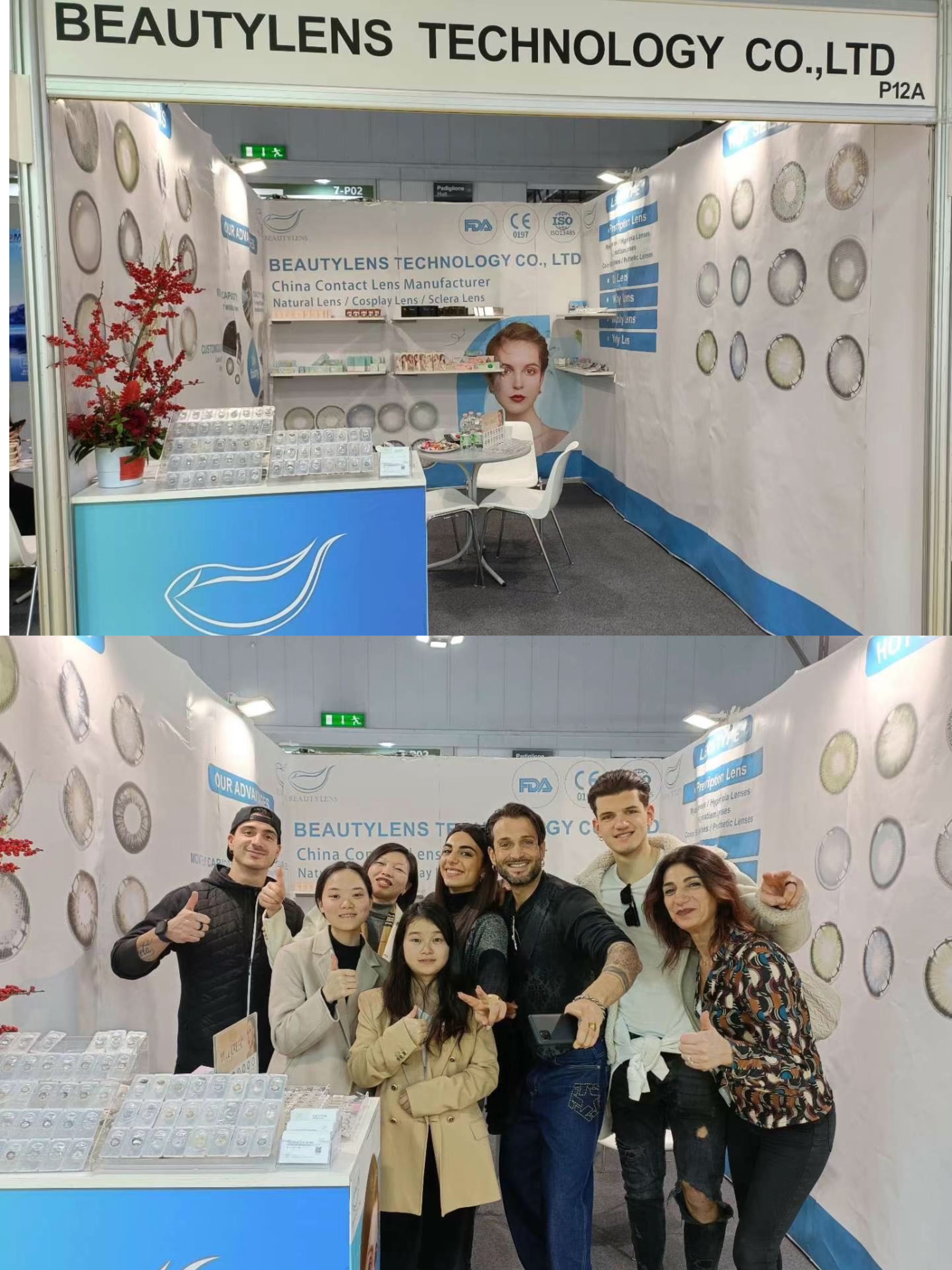
Connecting with optical distributors, private label visionaries, and ophthalmology innovators across leading industry summits.
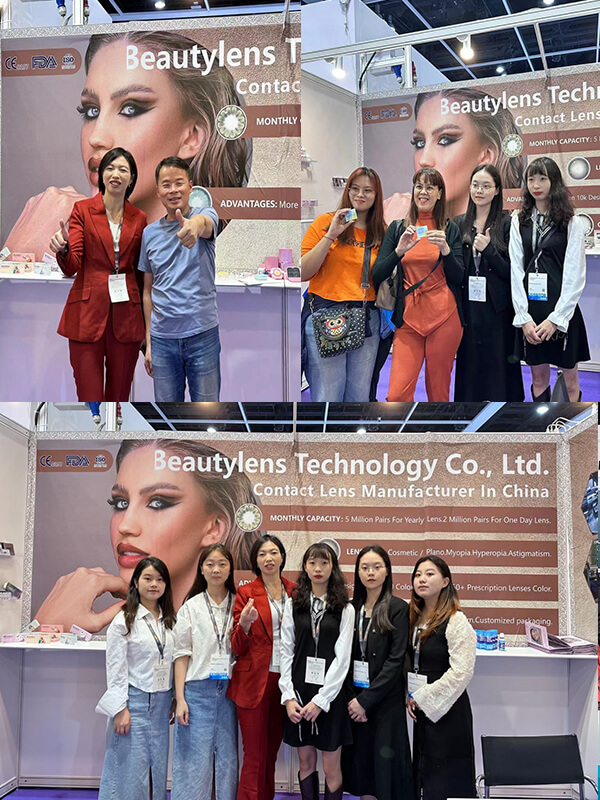
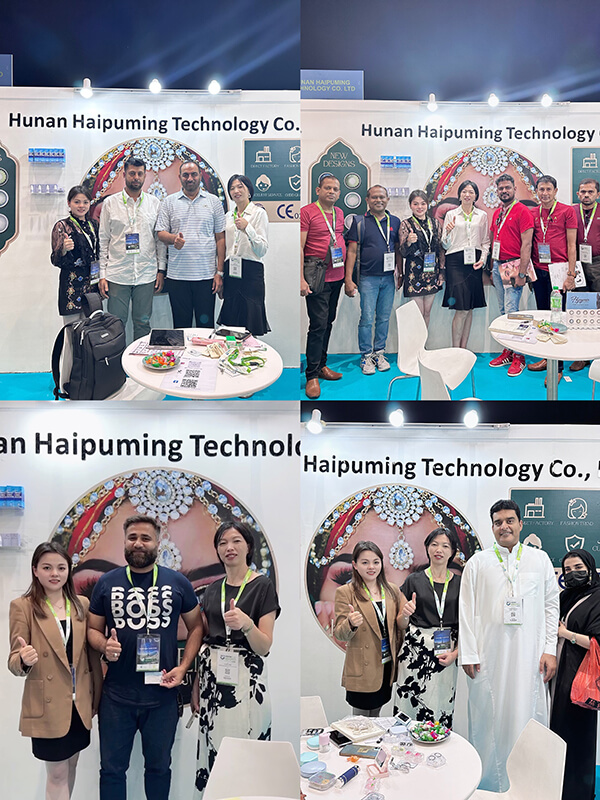
MIDO Eyewear Show
Showcased ultra-thin daily disposable cosmetic lenses to European optical buying cooperatives, establishing multi-country distribution partnerships.
HKTDC Hong Kong International Optical Fair
Unveiled next-generation biomimetic iris designs, drawing substantial orders from Southeast Asian and North American beauty retail groups.
Dubai Vision Plus Expo
Expanded strategic private label supply agreements with Middle Eastern retail optical chains focused on high-definition colored myopia collections.
AI Search & Buyer Questions
Frequently Asked Questions on ODM Contact Lens Design
Comprehensive answers to the primary technical, commercial, and regulatory inquiries submitted by global procurement teams.
What distinguishes ODM contact lens design from standard OEM manufacturing?
While OEM (Original Equipment Manufacturing) focuses strictly on executing customer-supplied blueprints and existing catalog parameters, ODM contact lens design encompasses end-to-end creative and physical co-development. At Mylensora Technology Co.,Ltd, this includes engineering custom iris chromatic profiles, custom optical surface geometries (such as specialized aspheric back-curves for corneal astigmatism), bespoke polymer hydration ratios, mold tooling manufacturing, primary and secondary packaging structural design, and assembling the full technical dossier required for your regional medical device registration.
How does Mylensora guarantee that cosmetic pigments remain non-toxic and non-irritating?
All coloring agents used at Mylensora Technology Co.,Ltd are pharmaceutical-grade inorganic oxides (iron oxide red, yellow, black) and copper phthalocyanine blue listed under US FDA 21 CFR Part 73 for ophthalmic use. Furthermore, our automated cast-molding sandwich technology physically embeds these pigments between two distinct layers of cross-linked polymer. Zero pigment sits on the anterior or posterior surface. Cytotoxicity, ocular irritation, and systemic toxicity tests conducted in accordance with ISO 10993 standards confirm complete biocompatibility.
What are the typical minimum order quantities (MOQ) and sample lead times?
For customized color design leveraging our validated mold inserts, sample proofing is completed within 10 to 14 business days. For entirely new mold designs or proprietary silicone formulations, initial development and optical validation take approximately 4 to 6 weeks. Our production MOQ is among the most flexible in the medical industry: catalog designs with private label packaging start from low test batches, while custom-tailored ODM color patterns scale economically from 5,000 to 10,000 pieces per shade across standard diopter spreads.
Can our brand customize the oxygen permeability and water content balance?
Yes. Our polymer synthesis laboratory works directly with your brand team to achieve the targeted equilibrium water content (EWC from 38% up to 58%) and desired oxygen transmissibility ($Dk/t$ up to 130+). Whether your market favors ultra-flexible soft hydrogel for everyday casual cosmetics or high-$Dk$ silicone hydrogel formulated for extended computer work and dry climates, our chemists calibrate monomer cross-link densities and internal hydrophilic wetting agents accordingly.
What registration documentation and audit support do you provide for importing?
Mylensora operates under certified ISO 13485:2016 quality management protocols with Class III CFDA (NMPA) manufacturing credentials. Qualified distributors receive our complete technical registration dossier, encompassing ISO 10993 biocompatibility testing, sterilizer validation certificates, accelerated 3-to-5 year real-time degradation studies, blister heat-seal burst profiles, and material safety data sheets (MSDS) to facilitate streamlined domestic licensing.
How do you control optical power deviations and edge profiles during mass casting?
We employ computer-controlled robotic cast-molding lines where mold shrinkage and polymer hydration swelling factors are calculated down to sub-micron accuracy. Following de-molding and saline equilibrium hydration, 100% of finished lenses pass through our automated optical inspection (AOI) machines. These high-speed vision cameras verify dioptric power, edge smoothness, center thickness, and pattern concentricity, automatically ejecting any lens exceeding ±0.12D optical deviation.
Strategic ODM Collaboration
Ready to Engineer Your Next Best-Selling Contact Lens Line?
Partner directly with Mylensora Technology Co.,Ltd. Benefit from medical-grade cleanrooms, 120M annual capacity, certified quality control, and world-class ODM design services.

 Cosmetic ODM