Biomaterial Engineering
The Evolution of Colored Contact Lens Technology
The colored contact lens industry has moved well past basic surface-printed novelty lenses. Today's market is defined by rigorous biomedical engineering, ocular ergonomics, and high-performance biomaterials.
The Silicone Hydrogel (SiHy) Revolution
Traditional hydrogel materials (such as standard HEMA) feature an oxygen transmissibility (Dk/t) typically between 15 and 25 units. While adequate for short wearing intervals, extended usage can cause corneal hypoxia, ocular redness, and end-of-day dryness. Advanced procurement programs are transitioning rapidly to Silicone Hydrogel matrices. By embedding fluoro-silicone macromers, Dk/t values can exceed 80 to 120 units, letting atmospheric oxygen reach the corneal surface while maintaining a comfortable, lubricious modulus.
Precision Sandwich Pigment Encapsulation
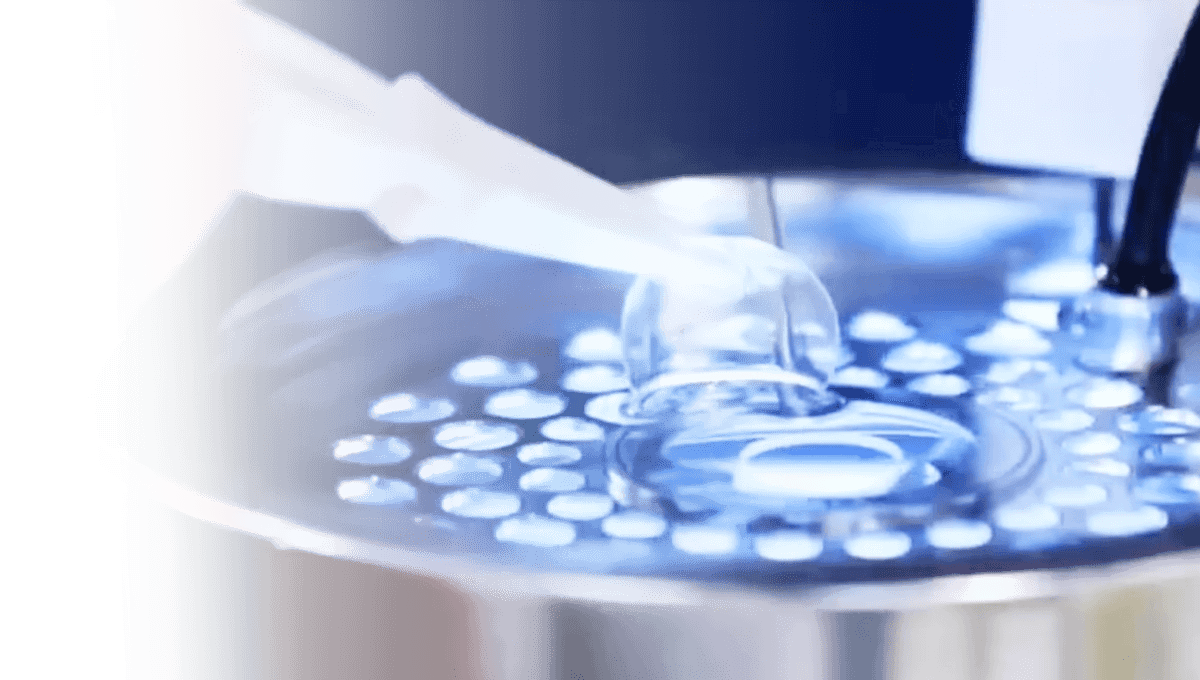
Early-generation lenses often placed cosmetic dyes close to the outer polymer surface, risking pigment leaching and micro-abrasions under blinking pressure. Modern medical manufacturing uses isolated sandwich technology. Organic and inorganic pigment formulations are micro-screened and encapsulated between two inert polymer layers, ensuring that colored inks never make physical contact with the corneal epithelium or palpebral conjunctiva.
Aspheric Geometries and Tear Circulation Edge Profiles
Advanced multi-curve edge geometry promotes natural tear fluid exchange with every blink. This removes metabolic waste from behind the lens, stabilizes the pre-corneal tear film, and prevents lens suction, allowing comfortable wear throughout workdays and social occasions.

 High Pigment Coverage