Featured Medical & Cosmetic Lens Collections
Direct OEM/ODM Solutions Tested Under Microscopic Automated Inspection Systems for Export to New Zealand
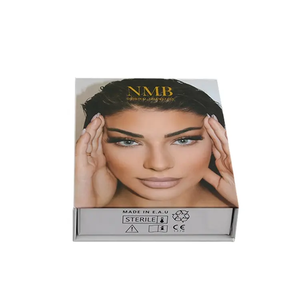
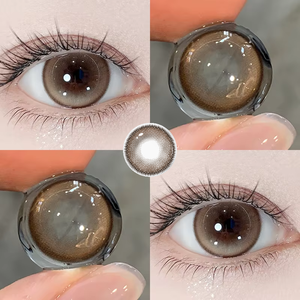
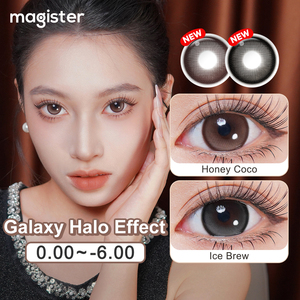
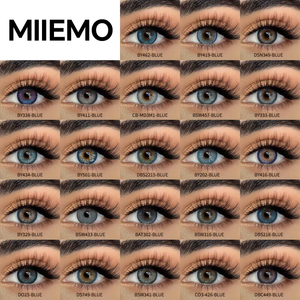
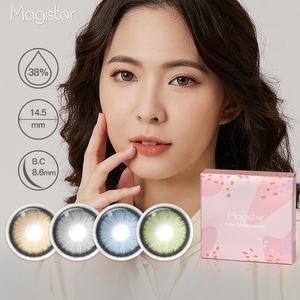
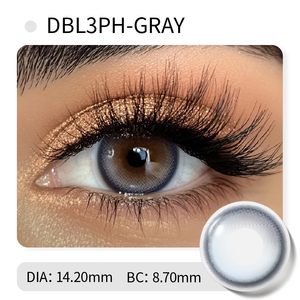

Executive Summary: The Chinese Manufacturing Advantage in Contact Lens Quality Control for New Zealand Buyers
The global contact lens market has undergone a fundamental technological transformation over the past decade. Distributors, optometry practices, and private label beauty brands across New Zealand—particularly in medical hubs like Auckland, Wellington, and Christchurch—increasingly rely on specialized Chinese OEM/ODM manufacturing facilities. The primary catalyst for this shift is not merely cost optimization, but the implementation of world-class, fully automated Quality Control (QC) processes that meet or exceed stringent international standards, including ISO 13485, CE regulatory frameworks, and requirements aligned with New Zealand’s Medsafe (WAND) medical device database protocols.
Mylensora Technology Co., Ltd. stands at the forefront of this industrial advancement. Integrating product design, monomer synthesis R&D, continuous cast-molding, automatic optical inspection (AOI), and sterile packaging, Mylensora has established one of Asia's most advanced contact lens manufacturing ecosystems. With Phase I generating over 120 million lenses annually and Phase II expanding infrastructure further, New Zealand buyers gain access to unparalleled batch-to-batch consistency, ultra-precise base curve metrics, and bio-compatible polymer formulations.
E-E-A-T Principle Insight: Soft contact lenses are classified as Class IIa/Class IIb medical devices. Importing into New Zealand requires complete traceability of raw hydrogel materials, non-leachable pigment isolation (Sandwich Technology), micro-level edge verification, and continuous wet-state autoclaving records. A low-tier manufacturing process introduces risks of ocular hypoxia, micro-corneal abrasions, and regulatory non-compliance.
In-Depth Technical Breakdown of China’s Contact Lens Manufacturing & QC Protocols
To evaluate a primary supplier, optometric procurement teams must audit the precise mechanical and biochemical verification steps executed on the factory floor. Below is an insider examination of how leading Chinese production facilities manufacture hydrogel, silicone hydrogel, and cosmetic color contacts.
1. Hydrophobic & Hydrophilic Monomer Synthesis and Purity Control
Quality control begins long before the lens is molded. The purity of raw monomers—such as HEMA (Hydroxyethyl Methacrylate), MAA (Methacrylic Acid), and specialized fluoro-silicone macromers—determines the lens's equilibrium water content (EWC) and oxygen transmissibility (Dk/t). Advanced gas chromatography-mass spectrometry (GC-MS) is utilized on every incoming raw chemical lot to ensure zero trace contaminants, unreacted monomers, or industrial solvents remain within the compound matrix.
2. Precision Automated Cast Molding & Dual-Sided Optics Formation
Traditional spin-casting often causes inconsistencies in center thickness and edge profile. Modern Chinese manufacturing utilizes high-precision optical quartz and specialized resin molds produced via ultra-precision CNC micro-machining. Liquid monomer mix is injected into the female mold cavity using automated pneumatic dispensers accurate to within ±0.1 microliters. The male mold is inserted under strict Class 100,000 cleanroom environmental parameters, controlling ambient humidity below 45% and maintaining temperature at 20°C ±0.5°C to prevent thermal shrinkage distortion during UV photo-polymerization.
3. Micro-Encapsulated "Sandwich" Color Printing Technology
For cosmetic colored contact lenses (such as 1-tone, 3-tone, and special-effect cosplay ranges), pigment elution into the corneal stroma presents a severe clinical hazard. High-tier Chinese facilities mandate the "Sandwich Structure" method. The color pigment layer is embedded between two bio-compatible layers of transparent hydrogel polymer. The color layer never directly touches the cornea or the palpebral conjunctiva. Quality assurance teams perform destructive extraction testing using organic solvent soak methods to guarantee zero color migration under extreme stress conditions.
| Manufacturing Stage | Critical Quality Parameter | Tolerance / Control Limit | Inspection Methodology |
|---|---|---|---|
| Monomer Mixing | Purity & Viscosity | >99.8% Purity | High-Performance Liquid Chromatography (HPLC) |
| UV Polymerization | Cross-linking Density & Curing Time | ±1.2 Seconds Exposure Limit | Real-Time Spectrophotometric Monitoring |
| Hydration & Extraction | Residual Monomer Content | <0.01 PPM (Parts Per Million) | Gas Chromatography (GC-MS) Extraction |
| Edge Profiling | Edge Smoothness & Taper Angle | Micro-Bevel Radius Within ±2µm | High-Magnification Optical Interferometry |
| Automated Optical Inspection | Debris, Tears, Air Bubbles | 0 Defect Tolerance (100% Inspection) | CCD High-Resolution Camera Array (AI-Assisted) |
| Terminal Sterilization | Sterility Assurance Level (SAL) | SAL 10⁻⁶ (121°C for 20 Mins) | Biological Indicator (Geobacillus stearothermophilus) |
4. 100% Automated Optical Inspection (AOI) Systems
Manual inspection using standard optical loupes is prone to human fatigue and visual omission. Premium Chinese factories implement 360-degree, high-speed Automated Optical Inspection (AOI) systems integrated directly into the wet-handling conveyance line. As hydrated lenses pass through digital camera stations, multi-angle LED illumination flashes capture high-definition imagery. Real-time machine vision algorithms evaluate 14 defect categories, including:
- Peripheral edge nicking, micro-tears, and flaking
- Sub-surface voids, inclusions, or particulate contamination
- Off-center printed graphics or color dot-matrix misalignments
- Variations in optical zone radius and center thickness
Lenses failing any single metric are automatically purged from the assembly conveyor via micro-air jet actuators, guaranteeing 100% adherence to zero-defect criteria.
Localized Application Scenarios in New Zealand
The geographical, environmental, and demographic profile of New Zealand imposes distinct functional demands on contact lenses. B2B buyers must align their OEM specifications with localized usage patterns:
High-UV Southern Hemisphere Defense
New Zealand experiences intensely high peak UV index ratings during summer months. Importers in Auckland and Queenstown require hydrogel and silicone hydrogel contacts containing embedded Class 1 or Class 2 UV-absorbing monomers to shield intraocular structures from UVA and UVB damage.
Outdoor & Active Lifestyle Compatibility
With a populace heavily involved in outdoor adventure sports, hiking, and aquatic activities, Kiwi consumers demand high-tear-strength soft lenses with edge-taper designs that reduce blink friction and maintain tear film stability in windy coastal environments.
Dry Eye Mitigation in Air-Conditioned Spaces
Corporate workforce hubs in Wellington demand silicone hydrogel materials offering high Dk/t (oxygen permeability above 100) combined with non-ionic surface treatments to resist lipid deposition during extended screen usage.
Emerging Localized Market Trends across New Zealand (ANZ Optical Market)
Data gathered from optometric retail trends in Oceania highlights three dominant market shifts that Chinese manufacturers are uniquely equipped to support through flexible OEM agreements:
1. Accelerated Migration to Daily Disposables: Consumers are shifting away from monthly and annual wear schedules toward daily disposable soft contacts due to superior hygienic outcomes. Chinese manufacturers have scaled high-speed daily blister packaging lines, reducing per-unit manufacturing overhead and allowing New Zealand brands to offer competitive retail pricing.
2. Demand for High-Definition Natural Enhancement Lenses: Cosmetic color contact lens sales in New Zealand are no longer restricted to costume or theatrical uses. "Subtle tone enhancers"—such as hazel, grey, and natural olive iris patterns—are seeing rapid adoption among young urban demographics. Advanced 3-tone limbal ring designs created by Chinese ODM artists replicate natural iris depth seamlessly.
3. Sustainable, Recyclable Blister Packaging Solutions: New Zealand's strong environmental ethos extends to medical packaging. Forward-thinking importers seek suppliers offering reduced plastic blister molds, biodegradable foil seals, and FSC-certified paper outer cartons.
Enterprise Advantage Matrix: Partnering with Mylensora Technology Co., Ltd.
When selecting an OEM partner, supplier stability and production scalability are paramount. Below is the operational footprint that defines Mylensora's leadership position in China's contact lens export sector:
- Full Vertical Integration: In-house management of raw chemical blending, optical lens design, mold manufacturing, automated cast-molding, and blister packaging guarantees absolute control over supply chain costs and quality.
- State-of-the-Art Cleanroom Infrastructure: Cleanroom environments certified to ISO 14644-1 Class 7 and Class 8 standards with continuous particle count logging.
- Robust NMPA (formerly CFDA) & ISO 13485 Credentials: Complete regulatory compliance dossier available for audit, enabling streamlined registration in international medical device databases.
- Low MOQ and Rapid Sampling for OEM/ODM Projects: Flexible minimum order quantities that empower boutique optical chains in New Zealand to launch private label collections without excessive capital tie-up.
- Comprehensive Export Experience: Frequent exhibitor and participant in premier international trade expos including MIDO Milan, HKTDC Hong Kong Optical Fair, and Dubai Vision Plus.
Procurement FAQ for New Zealand Buyers
Addressing Regulatory, Customs, Quality Control, and Freight Queries Specific to Importing Contact Lenses from China
Partner with China's Premier Quality-Controlled Contact Lens Manufacturer
Scale your optometry brand or retail business in New Zealand with medical-grade, ISO-certified contact lenses. Contact our international B2B engineering and OEM sales team today for custom quotes, technical documentation, and sample kits.
Contact Us