Navigating Japan’s High-Precision Special Effect Contact Lens Market
Japan represents one of the most sophisticated, safety-conscious, and aesthetically demanding cosmetic contact lens markets globally. Commonly known as "Cosme-Contacts" (コスメコンタクト) or subculture color lenses, special effect contact lenses (SFX contacts) in Japan extend far beyond traditional fashion wear. They serve as essential transformative components in anime cosplay (コスプレ), Visual Kei (ヴィジュアル系) theatrical stage makeup, Tokusatsu special effects cinema, and high-street subculture trends such as Jirai-Kei (地雷系) and Ryousan-Gata (量産型).
However, supplying the Japanese market requires strict adherence to regulatory protocols established by the Pharmaceuticals and Medical Devices Agency (PMDA) and Japan’s Ministry of Health, Labour, and Welfare (MHLW). Under the Japanese Pharmaceutical Affairs Law, color contact lenses are categorized as Class II Special Management Medical Devices. As a world-class OEM/ODM manufacturer, Mylensora Technology Co.,Ltd offers Japanese brand owners, optical distributors, and subculture retailers a direct factory partnership backed by high-precision automated production, complete pigment sandwich encapsulation, and verifiable QMS compliance.
Featured Special Effect & Cosmetic Lenses for Wholesale & OEM
Engineered with high-opacity pigments, high water retention, and ergonomic base curves tailored specifically for Asian corneal topographies (BC 8.5mm - 8.6mm).
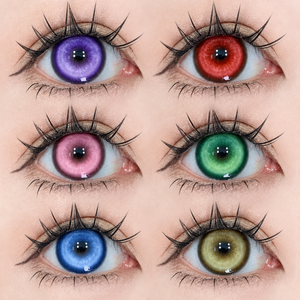
Cosplay 14.5mm Soft Hardness Halloween Colored Contact Lenses Crazy Circle Blue White Silver Design High Quality for Halloween
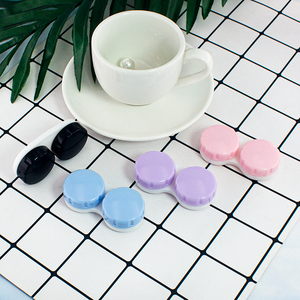
Lalens Lemon Brown Contact Lenses With Packaging Box Custom Design In Various Color Myopia Soft Eye Color Contact Lens
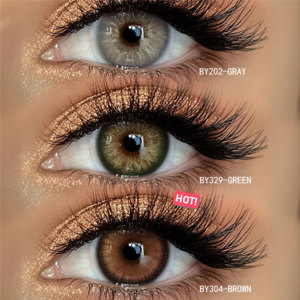
For Factory 14.0mm Diameter Colored Pupil Contact Lenses Soft Unique Opaque Color Technology for Eye Transforming Effects
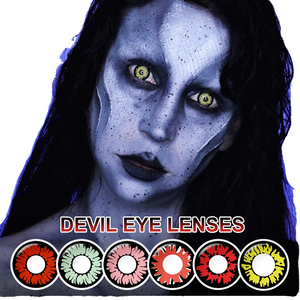
Hot Seller PSEYECHE Halloween Contact Lenses Crazy Sharingan Cosplay Soft Colored Contacts for Cosplay and Festivals
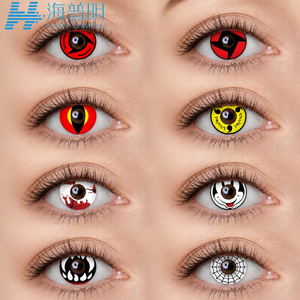
Hazel Yearly 14.5mm Cosplay Special-Effect Crazy HEMA OEM Wholesale Colored Contact Lenses Lentes De Contacto
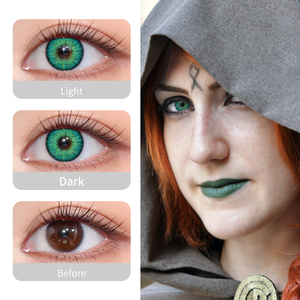
Halloween Special Effect Contact Lenses - Glowing Cat Eye Lenses Green, Breathable Soft Lenses for Horror Costume Makeup
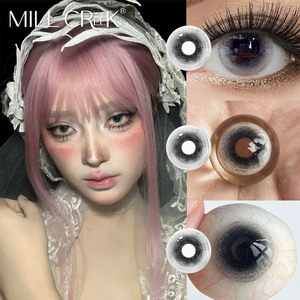
Haipurecon Factory Wholesale Halloween Cosplay Contact Lenses Crazy Design 14.5mm Big Eyes Effect Bulk Order
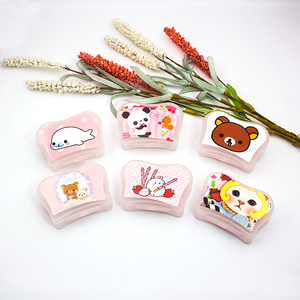
Wholesale New Design Natural Color Contact Lenses with Custom Packaging Case Eye Lens Accessories
Localized Application Scenarios across Japan’s Subculture & Beauty Sectors
To successfully market special effect contact lenses in Japan, B2B importers must align their product offerings with specific subcultural purchasing drivers and end-user performance expectations.
High-Opacity Pupil Transformation for Dark Asian Irises
At major conventions such as Comic Market (Comiket) in Tokyo, World Cosplay Summit in Nagoya, and Acosta! events, cosplayers require absolute color opacity to mask natural dark brown Asian irises completely. Standard translucent tint lenses fail under studio flash and outdoor daylight. Mylensora’s specialized Micro-Dot High-Opacity Printing Matrix delivers vivid solid reds, vibrant Sharingan motifs, striking cyan blues, and brilliant stark whites without sacrificing wearer vision or central pupil clearance (5.0mm clear optical zone).
Dramatic Contrast & Intensely Enlarging Outer Limbal Rings
Japan’s iconic Visual Kei rock musicians, stage actors in 2.5D musical theater (2.5次元ミュージカル), and gothic performers demand high-contrast lenses with enlarged graphic diameters (13.8mm to 14.2mm graphic DIA within 14.5mm total diameter). Our lenses maintain superior optical stability under intense halogen stage lighting, engineered with moisture-locking non-ionic hydrogel materials that resist protein buildup during high-sweat live concert sets.
Full-Glow & SFX Horror Optics for Seasonal Retail Surges
Halloween seasonal retail in Tokyo (Shinjuku, Ikebukuro) and Osaka (Shinsaibashi) represents a massive spike in impulse B2C purchases. Special effect styles like vertical slit cat-eyes, blind white-out optics, blood-red rimmed iris patterns, and UV-reactive glow contacts are top sellers. Distributors benefit from Mylensora’s pre-packaged, fast-turnaround inventory and custom blister packs optimized for Japanese retail hanging displays (Don Quijote style display compatibility).
Hyper-Enlarging "Doll-Eye" (デカ目) Dark Circle Lenses
The ongoing viral popularity of Jirai-Kei and Harajuku subculture aesthetics centers around creating an ultra-dramatic "doll-like" (デカ目) eye effect. This application requires precision black and dark-brown outer limbal rings paired with soft inner accents like olive, grey, or lemon brown. Mylensora’s micro-encapsulation techniques allow delicate color gradients while fulfilling Japanese consumer expectations for soft, comfortable daily disposable wear.
Technical Benchmarks: Meeting Japanese Safety Standards
In Japan, consumer safety and product consistency are paramount. Cheaply printed contact lenses that leach pigment or cause corneal abrasion are strictly banned under PMDA monitoring. Here is how Mylensora’s OEM manufacturing architecture bridges technical compliance with high aesthetic value:
| Technical Parameter | Japanese Market Standard (PMDA / JIS T 7333) | Mylensora Factory Specification | B2B Advantage for Importers |
|---|---|---|---|
| Pigment Safety Method | 100% Encapsulated (No direct ocular dye contact) | Automated Double Sandwich Printing Process | Eliminates color leaching, passes Japanese swab/solvent friction testing. |
| Base Curve (BC) | 8.5mm – 8.7mm (Optimized for East Asian corneas) | BC 8.5mm / 8.6mm Precision Molds | Ensures proper centration, prevents sliding during movement or photoshoots. |
| Water Content | 38% – 42% (Low water prevents lens dehydration) | 38% Water Content HEMA Hydrogel | Ideal for long wearing hours under indoor air-conditioning without dry-eye discomfort. |
| Edge Profile | Smooth round bevel edge for tear flow | Precision Cast-Molding Bevel Edge | Reduces foreign body sensation and micro-friction against ocular tissue. |
| Prescription Availability | Plano (0.00) to Myopia (-0.50 to -10.00) | Full Power Range (-0.50 to -8.00 Step 0.25/0.50) | Allows cosplayers with nearsightedness to wear FX lenses without specs. |
Sandwich Color Pigment Locking
Color pigments are completely embedded between two ultra-thin layers of clear hydrogel material. The dye never touches the cornea or eyelids directly, protecting wearers from irritation, allergic reactions, or micro-abrasions.
High Oxygen Transmissibility
Utilizing matrix polymerization techniques, our soft lenses maintain stable oxygen flux pathways to the cornea, keeping eyes clear and white even during full-day convention attendance or long video filming schedules.
Custom Japanese Retail Packaging
We offer end-to-end private label packaging support, including JAN barcode generation, Japanese text translation for usage insert sheets (添付文書), and PMDA-compliant blister sealing options.
Frequently Asked Questions for Sourcing SFX Lenses in Japan
Addressing critical regulatory, operational, and commercial queries for optical buyers, brand managers, and cross-border e-commerce sellers targeting Japanese consumers.
What regulatory licenses are required to import and sell SFX contact lenses in Japan?
To import and distribute contact lenses commercially in Japan, the Japanese entity must hold a Class I Highly Managed Medical Device Sales and Lease License (高度管理医療機器等販売業・貸与業許可). Additionally, the foreign manufacturing facility must be registered with the PMDA, and products must obtain a Marketing Approval Number (医療機器承認番号). Mylensora provides complete technical documentation, material safety datasheets (MSDS), and production flowcharts to assist your licensed Japanese distributor during registration.
Why is the "Sandwich Method" (サンドイッチ構造) mandatory for Japanese consumer acceptance?
Japanese consumers and optical regulators are extremely vigilant about eye safety. Older manufacturing techniques like front-surface printing (where dye resides on the outer lens surface) can rub off due to eyelid friction. The "Sandwich Structure" locks the pigment securely between raw hydrogel layers. Japanese retailers and e-commerce platforms like Rakuten and Yahoo! Japan explicitly require verification of Sandwich Technology before listing cosmetic color lenses.
What are the Minimum Order Quantities (MOQ) and lead times for custom OEM SFX projects?
For ready-to-ship stock designs, our MOQ starts as low as 50 to 100 pairs per SKU. For fully customized color patterns, graphic diameters, or custom Japanese box packaging (Private Label OEM), MOQ typically ranges from 500 to 1,000 pairs per color power mix. Lead times for mass production following sample approval are approximately 25 to 35 business days, supported by rapid air freight shipping directly to Narita (NRT), Haneda (HND), or Kansai (KIX) airports.
Can Mylensora produce prescription myopia special effect lenses for cosplayers?
Yes. A significant majority of anime cosplayers in Japan require vision correction. Sourcing plano (0.00 diopter) lenses only severely limits your addressable market. We manufacture both plano and corrective prescription powers from -0.50 to -8.00 in -0.25 or -0.50 steps. Our optics are engineered so that adding diopters does not distort the central graphic pattern or color opacity.
How does Mylensora ensure color consistency across large manufacturing batches?
We utilize high-precision automated cast-molding systems combined with spectrophotometer digital color matching. This guarantees that a anime-inspired red or glowing green lens produced in Batch A matches Batch B perfectly, eliminating the customer complaints common with smaller manual manufacturing operations.
Why Partner with Mylensora Technology Co.,Ltd?
Mylensora Technology Co.,Ltd is a fully integrated contact lens factory specializing in design, R&D, automated manufacturing, sales, and global supply chain support. Operating state-of-the-art automated production lines, our Phase I facility yields over 120 million lenses annually, with Phase II expansion underway to establish one of Asia's largest high-capacity color contact lens production hubs.
Direct Manufacturer Pricing
Work direct with the factory floor—no trading company markups, no hidden broker commissions, and transparent cost structures designed to maximize your retail margins in Japan.
Accredited Quality Systems
Holding NMPA/CFDA medical device production licenses, strict ISO 13485 alignment, and automated optical inspection systems that verify every individual lens prior to sterile autoclaving.
Global Industry Presence
Active exhibitors at international optics platforms including MIDO Eyewear Show (Milan), HKTDC Hong Kong International Optical Fair, and Dubai Vision Plus Expo, serving brands across Asia, Europe, and the Americas.
Ready to Expand Your Special Effect Lens Line in Japan?
Connect directly with our senior OEM engineering team to request sample kits, technical documentation, or custom packaging solutions tailored to Japanese retail standards.
Inquire Now