Curated Contact Lens & Accessory Catalog for East Africa
Engineered for dark iris color transformation, high moisture retention, and dust resistance in Kenya's regional optical markets.
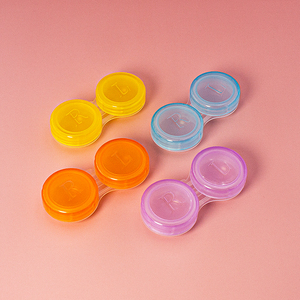
High-end Customization Contact Lenses Cases Custom Acrylic Contact Lens Case Wholesale Contact Lens Cases
View Details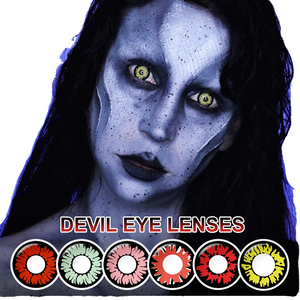
Hot Seller PSEYECHE Halloween Contact Lenses Crazy Sharingan Cosplay Soft Colored Contacts for Cosplay and Festivals
View Details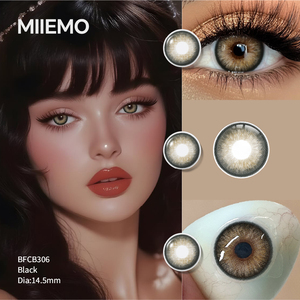
DSC Factory Soft Color Eye Lenses 6 Month Use HD Series Colored Contact Lenses for Daily Wear Dating Party
View Details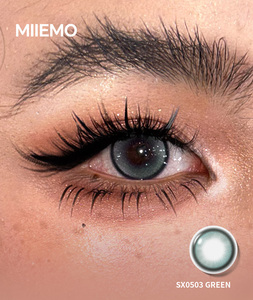
Miiemo High Quality Comfortable Soft Cosmetic Half-Yearly Colored Contact Lenses Red/Gray/Green 2-Piece Pack 38% Water Content
View Details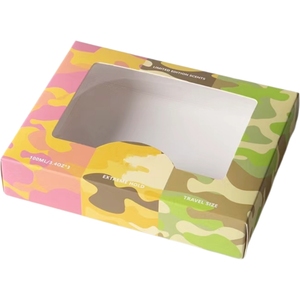
Logo All Color Contacts Wholesale Natural Color Eye Lens New Design Hot Sale Colored Contact Lenses Box
View Details
Haipurecon Best Prescription Soft Colored Contact Lenses for Astigmatism-Three Tone 14mm Diameter
View Details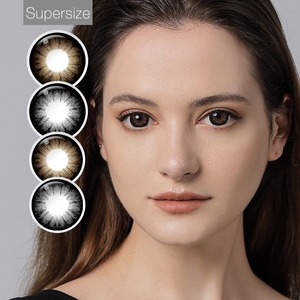
Free Sample Magister Supersize Color Contact Lenses Supersize Eye Contacts 6 Month Contact Lens Soft Lens Lensa Kontak
View Details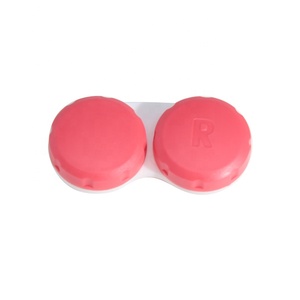
Hot Selling Colorful Cheap Plastic Wholesale Custom Eye Contact Lens Dual case
View DetailsExecutive Whitepaper: Contact Lens OEM Sourcing & Compliance for Kenya
The Kenyan contact lens market is undergoing an unprecedented structural shift. Driven by rapid urbanization across Nairobi, Mombasa, Kisumu, and Nakuru, as well as an exploding youth demographic influenced by social commerce platforms like Instagram and TikTok, demand for both cosmetic and prescription soft contact lenses is soaring. However, navigating B2B procurement in East Africa requires balancing commercial aesthetics with rigid medical device compliance.
As a leading Chinese contact lens manufacturer integrating design, advanced R&D, mass production, and export engineering, Mylensora Technology Co.,Ltd offers East African optical distributors, beauty brands, and healthcare retailers a streamlined path to direct-factory sourcing. This whitepaper serves as an authoritative technical and commercial guide for Kenyan optical importers seeking fully certified, climate-optimized, and market-ready contact lens products.
Mandatory Certifications & Quality Approvals for Kenya Entry
Understanding the compliance stack required to clear customs, register products with local healthcare authorities, and satisfy KEBS inspection standards.
PPB (Pharmacy & Poisons Board) Alignment
In Kenya, corrective and cosmetic lenses fall under medical device regulation. Our factory provides complete technical dossiers—including biocompatibility test reports (ISO 10993) and sterilization validation—enabling local importers to clear PPB registration swiftly.
KEBS PVoC / CoC Compliance
The Kenya Bureau of Standards requires a Pre-Export Verification of Conformity (PVoC). Every export batch from our automated factory is issued a Certificate of Conformity (CoC), guaranteeing parameters match labeled moisture, BC, and DIA specifications before shipment.
ISO 13485 & NMPA / CFDA Baseline
Mylensora operates under cleanroom manufacturing standards (Class 100,000) certified by NMPA (formerly CFDA) and international ISO 13485 quality systems. This ensures rigorous lot-to-lot consistency and zero bacterial contamination during tropical transit.
Environmental Application Scenarios & Material Science Solutions
Addressing East Africa's unique climatic challenges—high UV indexes, airborne dust on the Nairobi plateau, and coastal humidity in Mombasa.
| Kenyan Micro-Climate / Setting | Physiological Challenge | Recommended Lens Material / Feature | Commercial Target Market |
|---|---|---|---|
| Nairobi & Rift Valley (High altitude, windy, low ambient humidity) |
Rapid tear-film evaporation causing dry eye, lens dehydration, and dust particle adhesion. | 38% Water Content Polymacon / Silicone Hydrogel Low water content minimizes environmental moisture drawing from the corneal surface. |
Daily urban wearers, university students, corporate office workers. |
| Mombasa & Malindi Coast (High humidity, elevated temperatures, saline air) |
Increased protein deposition, lipid buildup, and risk of microbial keratitis in humid environments. | Non-Ionic Material + Hydrophilic Surface Coating Repels proteins and lipids while maintaining structural lens elasticity across extended hours. |
Coastal hospitality staff, fashion retail, beach resort events. |
| High Dark-Iris Opacity Demographics (Melanin-dense natural irises across East Africa) |
Subtle color printing appears dull, unnatural, or invisible over dark brown/black eyes. | 3-Tone Sandwich Tech / High-Opacity Micro-Pigmentation Pigments locked safely between lens layers; vivid color payoff without touching the cornea. |
Cosmetic beauty salons, bridal makeup artists, lifestyle influencers. |
| Urban Optical Clinics (Correction of Myopia & Astigmatism) |
Lack of stylish, prescription-grade cosmetic options for patients with refractive errors. | Prescription Colored Lenses (-0.50 to -10.00 D) & Toric Options Integrates precise focal power with cosmetic enhancement. |
Professional optometry chains, hospital vision centers in major cities. |
Why Material Selection Matters for Kenyan Importers
Many novice importers make the mistake of sourcing high water content lenses (e.g., 58% or 68%) assuming higher percentage equals superior comfort. However, in high-altitude dry climates like Nairobi, high water content lenses act like sponges: as they dry out in ambient air, they draw water directly from the wearer’s tear film, causing severe discomfort and redness by midday.
Our engineered 38% low water content HEMA and Silicone Hydrogel series retain their internal moisture balance regardless of dry surrounding conditions, offering 12+ hours of consistent comfort. Furthermore, our proprietary Sandwich Printing Technology ensures that raw pigments are permanently encapsulated within the hydrogel matrix, guaranteeing 100% corneal safety and preventing pigment leaching caused by intense tropical sun exposure.
Key Contact Lens Trends Shaping the East African Market (2025–2030)
Strategic insights for B2B procurement officers, brand developers, and optical retail investors.
Shift from Legacy Annuals to Short-Disposable Modalities
While 6-month and 1-year replacement lenses historically dominated Sub-Saharan Africa due to low initial price points, urban Kenyan consumers are rapidly transitioning toward daily and monthly disposables. Elevated hygiene awareness, combined with higher disposable income among urban millennials, is driving massive demand for daily 2-pack and 10-pack blister boxes.
Explosion of Social Commerce & Private Label Beauty Brands
Instagram, TikTok, and WhatsApp Business have transformed how cosmetic contacts are retailed in East Africa. Independent beauty entrepreneurs in Kenya are launching boutique eye-care lines. Mylensora supports this ecosystem by offering low Minimum Order Quantities (MOQs) and complete private label packaging customization—including box art, blister foils, and Swahili/English user manuals.
High Demand for Natural Hazel, Honey, & Grey Pigmentation
Consumer preferences in Kenya strongly favor soft, multi-tonal limbal rings with subtle color blends such as Hazel Green, Honey Amber, and Slate Grey. Stark, single-tone artificial colors are declining in market share. Our R&D department continuously tests pixel-density patterns designed specifically to yield striking yet natural transformations on dark melanin irises.
Bundled Accessory Ecosystems (Acrylic Cases & Dual Cases)
Kenyan consumers place high value on retail bundles that include hygienic acrylic contact lens cases, soft-tip tweezers, and solution insertion tools. Supplying complete retail kits—rather than standalone lenses—increases transaction value for importers while promoting proper lens hygiene standards among end users.
Mylensora Factory Advantages for Global B2B Partners
Why leading optical distributors in East Africa choose Mylensora as their primary OEM production factory.
120 Million Annual Capacity
With Phase I completed at 120,000,000 lenses per year and Phase II expansion underway, we provide unmatched batch availability, stable re-order lead times, and immunity against supply chain bottlenecks.
In-House R&D & Color Molding
We do not outsource design. Our internal optical engineering team develops exclusive pattern matrices, custom base curves (8.5mm - 8.6mm), and dynamic diameter profiles (14.0mm to 14.5mm supersize series).
Strict 100% Optical Inspection
Every single lens undergoes automated high-resolution vision system checks for rim defects, micro-bubbles, pigment dispersion consistency, and optical power accuracy prior to blister sealing.
Global Trade Exhibition Presence
Mylensora actively demonstrates technical leadership on the world stage, showcasing next-generation cosmetic and therapeutic hydrogel technologies at premier global exhibitions including MIDO Eyewear Show (Milan), HKTDC Hong Kong International Optical Fair, and Dubai Vision Plus Expo. Our global experience ensures we understand international customs paperwork, ocean/air freight logistics, and strict regulatory compliance requirements required for smooth import into East Africa.
Frequently Asked Questions by Kenyan Contact Lens Importers
Addressing operational, legal, logistical, and technical queries for B2B buyer onboarding.
What certifications does Mylensora hold to support registration with Kenya’s Pharmacy and Poisons Board (PPB)?
How do you ensure contact lens quality remains stable during shipping to Mombasa or Nairobi?
Can we manufacture custom private label colored contacts tailored specifically for African dark irises?
What is the Minimum Order Quantity (MOQ) for launching an OEM contact lens brand in Kenya?
Which contact lens water content is recommended for Kenya’s atmospheric conditions?
Do you produce prescription colored lenses for myopia and astigmatism correction?
Ready to Launch or Expand Your Contact Lens Brand in Kenya?
Partner directly with an accredited, high-capacity Chinese manufacturer. Access full regulatory support, factory-direct pricing, custom OEM branding, and climate-engineered contact lens technology.
Send an Inquiry