Executive Procurement Summary for Moroccan Optical Distributors
The Kingdom of Morocco represents one of North Africa's fastest-evolving cosmetic and optical retail markets. Driven by expanding urban centers in Casablanca, Rabat, Marrakech, Tangier, and Fes, consumer preferences are shifting rapidly toward high-definition, extended-wear cosmetic contact lenses. Among all replacement modalities, 6-month (half-yearly) colored contact lenses hold the dominant market share in Moroccan optical boutiques, parapharmacies, and e-commerce platforms due to their exceptional cost-per-wear ratio, high ocular durability against Maghreb micro-climates, and vivid pigment coverage over dark Mediterranean irises.
As a leading Chinese original equipment manufacturer (OEM) and exporter, our facility bridges rigorous ophthalmic engineering with localized market demands. Operating automated lathe-cutting and cast-molding lines certified under international medical device frameworks, we provide Moroccan importers with direct factory access to 38%–42% water content hydrogel lenses, advanced sandwich color isolation technology, and complete regulatory dossiers compliant with Morocco's Direction du Médicament et de la Pharmacie (DMP) guidelines.
Top-Performing 6-Month Colored Contact Lenses for Morocco
Engineered for dark iris transformation, high oxygen permeability, and seasonal comfort across North African environments.
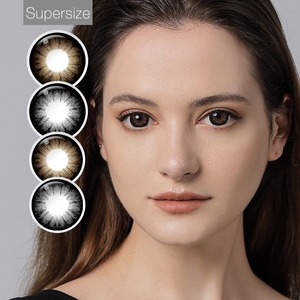
Free Sample Magister Supersize Color Contact Lenses Supersize Eye Contacts 6 Month Contact Lens Soft Lens Lensa Kontak
- 14.5mm Enlarging Dia
- HEMA Hydrogel
- 6 Months Wear
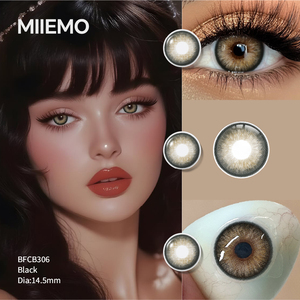
DSC Factory Soft Color Eye Lenses 6 Month Use HD Series Colored Contact Lenses for Daily Wear Dating Party
- High Definition Optic
- 38% Water Content
- Daily/Party Wear
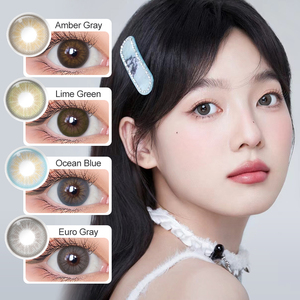
Free Shipping Magister Color Lenses Eye Lens Contact 6 Months Soft Eye Contacts Natural Colored Contact Lenses for Eye Cosmetic
- Subtle Iris Enhancement
- 8.6mm Base Curve
- Cosmetic Grade
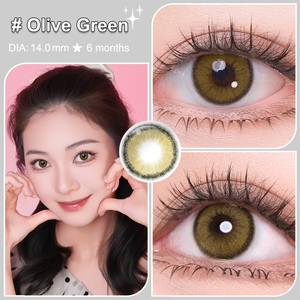
Free Shipping Magister Contact Lenses Set 6 Months Colored Eye Contacts Softlens Prescription Contact Lens 6.0 Kontaktlinsen
- Myopia Correction
- Power: 0.00 to -8.00
- Double-Layer Lock
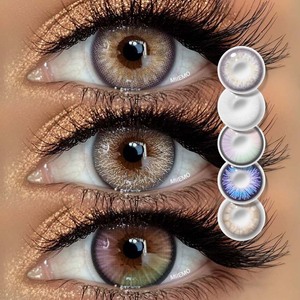
Soft Natural Three Tone Color Contact Lenses 14.0mm Diameter HEMA Material 38% Water Content ISO Certified 6 Months Using Cycle
- 14.0mm Diameter
- ISO 13485 Certified
- 3-Tone Radial Pattern
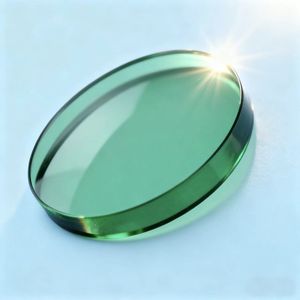
Colorful Semi-Finished Photochromic Lenses Green 1.56 Optical SF Lens Contact SF Lenses
- 1.56 Index
- Photochromic Green
- Optical Substrate
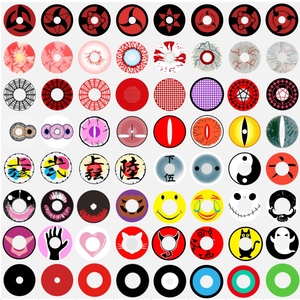
Free Shipping Items Pseyeche Halloween Contacts Crazy Sharingan Eye Lens Anime Cosplay Contact Lenses Lentes De Contacto
- Anime / Cosplay
- Opaque Coverage
- Half-Yearly Wear
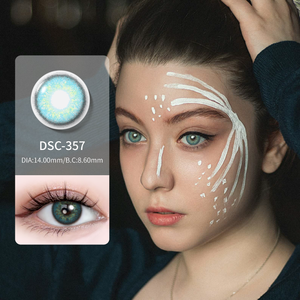
Crazy Cosplay Anime Halloween Party Accessories Colored Contact Lenses
- High Contrast Color
- Vivid Pigment
- Sterile Blister Pack
1. The Moroccan Optical Market Landscape & The Rise of 6-Month Modalities
The commercial optical ecosystem in Morocco is undergoing a major structural transformation. Historically dominated by conventional clear corrective lenses sold strictly through licensed opticians, the market has expanded into a high-growth hybrid sector where cosmetic aesthetics, fashion accessories, and ophthalmic care overlap. Moroccan consumers, particularly women aged 18 to 40 across urban centers like Casablanca, Rabat, Marrakech, Agadir, and Tangier, increasingly view colored contact lenses as an essential daily beauty component—on par with luxury cosmetics, hair styling, and high-end apparel.
In analyzing wholesale import data and retail sell-through figures across Maghreb distribution channels, 6-month (180-day) replacement colored contact lenses have emerged as the single most profitable SKU modality for B2B importers. Unlike daily disposables—which carry prohibitively high annual wear costs for average consumer incomes—or monthly lenses that require rapid inventory turnarounds and higher retail price points per lens pair, 6-month lenses striking the ultimate balance between end-user affordability and long-term ocular comfort.
Comparative Economic & Technical Analysis of Lens Modalities in Morocco
| Technical Parameters | 6-Month (Half-Yearly) Lenses | Monthly Disposable Lenses | Daily Disposable Lenses |
|---|---|---|---|
| Target Moroccan Audience | Daily cosmetic wearers, salon clients, wedding goers, students | Urban professionals, prescription wearers | Occasional wearers, travelers, high-budget buyers |
| Cost-per-Wear Index | Lowest (Optimal for Maghreb purchasing power) | Moderate | Highest |
| Material Structure | Polymacon / HEMA-NVP robust hydrogel matrix | Standard HEMA / Thin Silicone Hydrogel | Ultra-thin Hydrogel |
| Tear Film Evaporation Resistance | High (Resists dry winds and air conditioning) | Moderate | Low (Dries quickly in arid zones) |
| Pigment Density & Dark Iris Opacity | Maximum (Multi-layer print encapsulation) | Medium to High | Sheer to Medium |
| Wholesale Importer Margin Potential | 65% – 80% Gross Margin | 40% – 55% Gross Margin | 25% – 35% Gross Margin |
From an operational perspective, wholesale importers in Morocco benefit immensely from 6-month inventory cycles. The extended shelf life of sealed sterile blister packaging (typically 5 years from manufacture date) reduces warehouse write-off risks caused by expired stock. Furthermore, 6-month hydrogel materials are synthesized with higher tensile strength, allowing the lens to maintain structural stability, optical power consistency, and edge curvature integrity throughout months of regular cleaning and storage cycles in multi-purpose contact lens solutions.
2. Localized Application Scenarios & Environmental Ocular Factors in Morocco
To successfully market colored contact lenses in Morocco, importers and brand owners must align product design with the local cultural aesthetics, dark iris anatomy, and regional climatic variables unique to North Africa.
Magreb Aesthetic Preferences: High Opacity Tones
Over 90% of native Moroccan consumers possess natural iris shades falling between Grade 4 and Grade 6 dark brown/black. Standard European translucent lenses fail to alter these shades. Moroccan buyers demand high-opacity 3-tone prints—such as Hazel, Honey Gold, Emerald Green, Slate Grey, and Sky Blue—that completely transform dark eyes while retaining a natural radial texture.
Climatic Resistance: Arid Heat & Chergui Dust
Inland regions such as Marrakech, Ouarzazate, and Fes experience extreme ambient dry heat and hot desert wind gusts (Chergui). Lenses with excessively high water content (>55%) extract moisture from the wearer's tear film to stay hydrated, causing corneal dry spots. Our 38%–42% water content hydrogel retains its own moisture matrix, resisting dehydration even in dusty, dry environments.
Traditional & Wedding Fashion Culture
Weddings, Eid celebrations, and formal ceremonies are massive economic drivers for cosmetic optical products in Morocco. Brides and attendees coordinate eye color with traditional Caftans and Takchitas. High-definition 6-month lenses with dark limbal rings (enlarging supersize series) are heavily sought after by beauty salons, makeup artists, and bridal stylists across Casablanca and Rabat.
Our engineering team addresses these environmental and cultural needs through advanced 3-Layer Sandwich Printing Technology. Non-ionic pigment inks are encapsulated precisely between two bio-compatible layers of HEMA polymer material. This ensures that raw color pigments never come into direct physical contact with the wearer's corneal epithelium or conjunctival tissue. This structural isolation prevents allergic reactions, resists lipid accumulation common in warm coastal climates like Tangier and Agadir, and maintains pristine color vibrancy for the full 6-month wear duration.
3. Enterprise Strengths & China-to-Morocco Manufacturing Supremacy
As an established optical technology factory integrating R&D, precision manufacturing, visual packaging design, and export compliance, Mylensora Technology Co.,Ltd offers an unmatchable competitive advantage for Moroccan distributors looking to scale private label contact lens lines or secure steady factory-direct wholesale supplies.
Key Industrial Capabilities & OEM Advantages:
- Massive Automated Manufacturing Footprint: With Phase I operations delivering over 120 million lenses annually and Phase II expansion under active construction, our facility is engineered to become one of Asia's largest contact lens manufacturing hubs. This scale guarantees stable unit pricing and immunity from supply chain shortages.
- Strict Quality Assurance Standards: Our production line operates under full medical device quality management systems certified to CFDA (NMPA) and international ISO 13485 standards. Every lens batch undergoes automated 100% optical power inspection, laser dimension checks, and micro-particle contamination screening.
- Full OEM/ODM & Private Label Customization: We offer complete end-to-end customization for Moroccan brand owners, including custom lens base curves (8.5mm–8.7mm), custom diameters (14.0mm to 14.5mm), bespoke color design development, localized Arabic/French packaging artwork, tamper-evident blister seals, and custom retail box sets.
- Global Export & Optical Trade Leadership: Our international team regularly participates in world-class optical exhibitions, including MIDO Eyewear Show (Milan), HKTDC Hong Kong International Optical Fair, and Dubai Vision Plus Expo, ensuring our designs constantly align with global beauty trends and regulatory evolutions across the Middle East and Africa (MENA) region.
4. Moroccan Buyer Procurement & Regulatory FAQ
Navigating cross-border optical procurement requires total clarity regarding customs procedures, medical device registrations, shipping logistics, and payment terms. Below are detailed answers to common inquiries from Moroccan importers.
What are the regulatory requirements for importing contact lenses into Morocco? +
What is the standard Minimum Order Quantity (MOQ) for custom OEM orders vs in-stock designs? +
How are shipping customs duties and logistics handled from China to Moroccan ports? +
9001.30.00 (Contact Lenses). We furnish complete commercial invoices, packing lists, air waybills (AWB), and certificates of origin required by Moroccan Customs (Administration des Douanes et Impôts Indirects) for smooth customs valuation and tariff assessment.
Are product packaging and blister labels customizable in French and Arabic? +
Why are 6-month colored contact lenses preferred over 1-year lenses in Morocco? +
Can we order prescription power (myopia correction) colored lenses in the same shipment? +
What payment terms and transaction methods do you support for Moroccan clients? +
Expand Your Contact Lens Brand in Morocco Today
Partner directly with China's premier contact lens manufacturer. Request factory-direct pricing, custom OEM quotes, or free sample kits for your optical business.