Factory-Direct Plano & Optical Contact Lens Showcase
Explore our core certified production lines available for global OEM, ODM, and private label distribution.
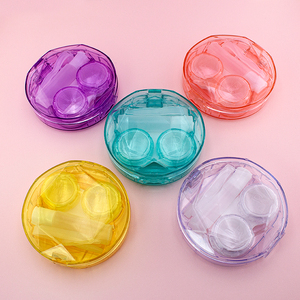
Cosmetic Colored Contact Lenses in Plastic Cardboard Packaging Box Made in China (JIA)
View Details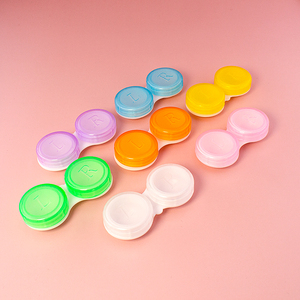
Colorful Cheap Contact Lens Blister Package Colored Eye Ware Lens Contact Lenses
View Details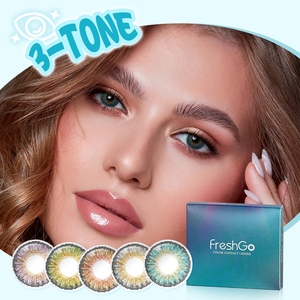
Free Shipping Freshgo 3 Tone Colored Contact Lenses Natural Colored Contacts
View Details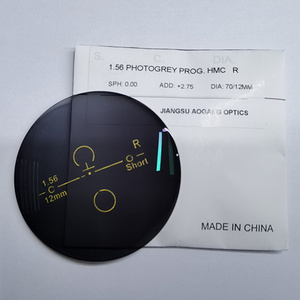
CR39 Fast Change Color Progressive Photochromic Optical Lenses Photogrey
View Details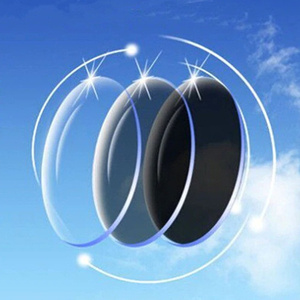
CR Photochromic AR Verde Lentes Optica Photogrey Eyeglasses Lenses 1.56
View Details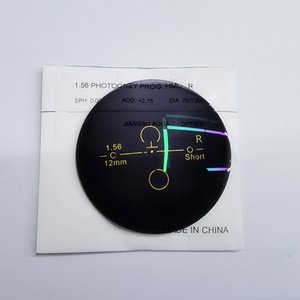
Cr39 1.56 Multifocal Progresivos Fotocromaticas Lentes Optics
View Details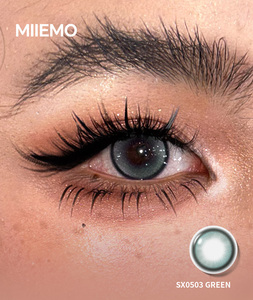
Miiemo High Quality Comfortable Soft Cosmetic Half-Yearly Colored Contact Lenses
View Details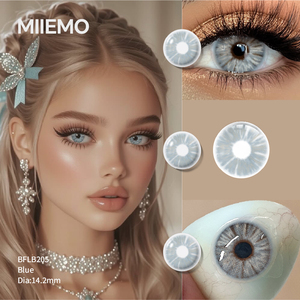
DSC Soft Natural Color Contact Lenses 6 Month Use 3 Tone Series Colored Eye Lenses
View DetailsExecutive Overview: The Plano Colored Contact Lens Manufacturing Ecosystem
The global market for non-prescription cosmetic contact lenses—commonly referred to in clinical and B2B procurement terminology as Plano Colored Contact Lenses (Power 0.000D)—is experiencing a dramatic structural evolution. Driven by rising consumer demand across e-commerce channels, social media beauty trends, and cosplay cultures, plano colored contacts have shifted from niche novelty items to high-turnover fast-moving consumer beauty products (FMCG). However, because contact lenses remain classified as Class III Medical Devices under the jurisdiction of global health authorities (including the US FDA, EU MDR, and NMPA), sourcing from a certified, technically capable factory is paramount to brand safety and commercial profitability.
As a leading Chinese contact lens manufacturer integrating in-house R&D, optical mold fabrication, pigment synthesis, automated casting, and sterile blister packaging, our enterprise delivers end-to-end solutions tailored for international brands. Unlike trading intermediaries that introduce supply chain opacity, our fully integrated manufacturing model ensures that every batch of plano cosmetic lenses meets rigorous international standards for corneal oxygenation, biocompatibility, and optical center alignment.
Manufacturing Technology: Structural Engineering of Plano Lenses
A primary risk factor in low-grade cosmetic contact lens sourcing is direct pigment contact with the human ocular surface. Inferior factories utilize surface-printing techniques where bio-pigments are applied directly onto the front or back lens surface, leading to dye elution, corneal staining, and severe inflammatory responses (such as giant papillary conjunctivitis or microbial keratitis).
Micro-Encapsulation (Sandwich Tech)
Our automated production process embeds non-toxic organic pigments safely between two isolated poly-HEMA or silicone hydrogel clear polymer layers. This guarantees 0% pigment-to-cornea contact and zero color fading throughout the lens lifecycle.
Optimized Oxygen Transmissibility (Dk/t)
Cosmetic lenses traditionally suffer from reduced oxygen flow due to pigment density. By deploying ultra-thin pigment dispersion patterns and high-Dk silicone hydrogel monomer formulations, our factory maintains corneal health across daily, monthly, and annual wear schedules.
Lathe-Cut & Cast-Molding Precision
Using digital nano-lathe optical mold turning and full-cast double-sided molding, we achieve an ultra-smooth edge profile. This minimizes eyelid friction during blinking, elevating user comfort to clinical eye-drop standards.
Global Procurement Trends in Plano Colored Contact Lenses
Procurement directors and brand strategists must align their product roadmaps with macro trends governing consumer preferences, regulatory changes, and retail unit economics. Based on our global export dataset spanning Europe, North America, the Middle East, and Southeast Asia, several definitive shifts are transforming the industry:
1. Dominance of Daily Disposable (1-Day) Formats
While annual replacement colored contacts historically dominated developing markets due to low unit acquisition costs, mature consumer segments are rapidly switching to Daily Disposable Plano Contacts. Brand owners favor 1-day packs because they drive higher lifetime customer value (LTV), eliminate compliance risks surrounding improper lens maintenance, and command superior retail profit margins.
2. Transition to Silicone Hydrogel Materials
Hydrogel materials (38%–58% water content) are no longer the exclusive baseline for cosmetic optics. Modern consumers demand all-day comfort without ocular dryness. Factories offering Silicone Hydrogel (SiHy) plano lenses provide enhanced oxygen transmission (Dk/t > 80), reducing end-user eye fatigue and dry-eye symptoms caused by extended digital screen exposure.
3. Hyper-Natural "Iris-Mimicking" Graphics
The market for heavy, dark limbal rings and flat 1-tone colors is contracting in favor of complex 3-tone radial blending, realistic pupil halo gradients, and custom hazel/olive/slate nuances. Advanced OEM factories utilize high-definition digital dot-matrix printing to simulate natural human iris depth.
4. Eco-Friendly Sustainable Packaging
Brand owners are seeking reduced plastic waste solutions. Innovations such as lightweight aluminum-foil strip blisters, biodegradable cardboard outer cartons (as seen in our JIA Series packaging), and optimized secondary packing diminish freight volume and reduce carbon footprints during cross-border shipping.
Technical Specification Matrix: Materials & Parameters
A comparative overview of lens material specifications offered across our OEM manufacturing lines.
| Material Type | Water Content | Base Curve (BC) | Diameter (DIA) | Oxygen Permeability | Best Fit Market Channel |
|---|---|---|---|---|---|
| HEMA / HEMA-GMA Blend | 38% - 42% | 8.5mm - 8.6mm | 14.0mm - 14.5mm | 15 - 20 Dk/t | Budget-friendly fashion, Cosplay, Fast Retail |
| High-Water Soft Hydrogel | 55% - 58% | 8.6mm | 14.2mm | 25 - 30 Dk/t | Daily Cosmetic Wear, High-Humidity Climates |
| Silicone Hydrogel (Gen III) | 45% - 48% | 8.6mm - 8.8mm | 14.0mm - 14.2mm | 80 - 120 Dk/t | Premium Optical Chains, Prescription & Plano Hybrid |
| Photochromic / Functional Lens | 38% - 40% | 8.5mm - 8.7mm | 14.2mm - 14.8mm | 22 - 28 Dk/t | Specialty Optical Outlets, UV Light Responsive |
Future Technological Trends in Plano Contact Lens Manufacturing
Looking ahead toward the next decade of optical manufacturing, contact lens factories must invest in continuous innovation to retain global competitive advantages. Buyers evaluating potential OEM/ODM partners should inspect the factory's R&D pipeline against these key engineering milestones:
- A. AI-Assisted Iris Design & Rapid Prototyping By applying machine learning algorithms to global iris biometric databases, our design laboratory creates pattern layouts mathematically proven to blend seamlessly with both light (EU/US) and dark (Asia/LatAm/Africa) irises. Digital laser stereolithography allows physical sample prototyping within 72 hours.
- B. Integrated Blue-Light Filter & UV-A/UV-B Blocking Monomers Plano colored contact lenses are increasingly serving a dual cosmetic-protective function. By integrating UV-absorbing chemistry directly into the liquid monomer matrix before thermal polymerization, factory output achieves Class 1 UV protection (>90% UV-A and >99% UV-B blocking) alongside high-energy visible (HEV) blue light dampening.
- C. Automated Vision Inspection (AOI) Driven by AI Manual inspection under magnifying lamps is prone to operator fatigue and error. Modern factories implement high-resolution multi-camera Automated Optical Inspection (AOI) systems on blister packaging lines. AI models detect micro-tears, edge flash, optical center decentration, or pigment micro-voids at line speeds exceeding 300 units per minute.
Enterprise Capabilities & OEM Sourcing Risk Mitigation
Sourcing medical devices cross-border requires rigorous risk control. Below is a structured checklist outlining how our factory infrastructure eliminates common import obstacles for B2B distributors:
Full Regulatory Dossier Support
We supply complete technical documentation, including ISO 13485 Quality Management System certificates, NMPA approval registrations, CE certificates, material safety data sheets (MSDS), and biocompatibility test reports (cytotoxicity, sensitization, ocular irritation).
Scalable Phase I & Phase II Capacity
Our Phase I production facility delivers over 120 million lenses annually. With Phase II expansion under active construction, we guarantee long-term capacity reservation, protecting growing brands against sudden stockouts during peak shopping seasons.
Custom Private Label Packaging
From single-lens blister foils to multi-pack retail boxes, display stands, and custom barcode/UDI serialization compliance, our packaging engineering team turns brand vision into market-ready retail products with low MOQs.
Frequently Asked Questions (FAQ) for Sourcing Managers
Detailed technical and commercial answers to aid your vendor selection process.
Ready to Scale Your Cosmetic Lens Brand with a Trusted Factory?
Connect directly with our engineering and export team. Receive factory-direct pricing, request physical sample kits, or initiate a custom OEM/ODM packaging evaluation today.