Featured OEM/ODM Contact Lens Portfolio
Explore our high-demand soft contact lens formulations, natural aesthetic patterns, and specialized private label packaging options engineered for global B2B buyers.
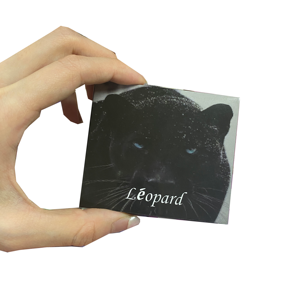
Free Design Paper Box Custom Logo Contact Lens Paper Packaging Boxes
View Details →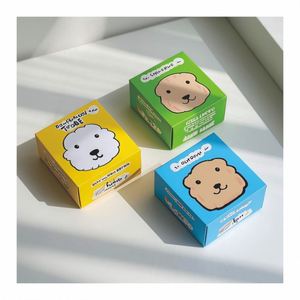
Wholesale Lentes De Contacto Colores Naturales Color
View Details →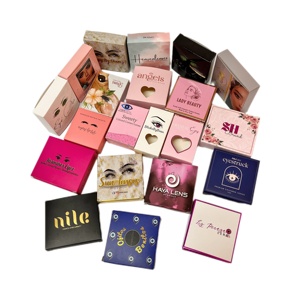
High Quality Wholesale Natural Color Eye Lens Packaging Box New Design Hot Sale
View Details →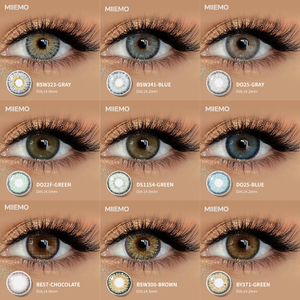
2026 Hot Sale Natural Colored Contact Lenses Soft 3 Tone Eye Contacts Wholesale Dark Eyes CE ISO
View Details →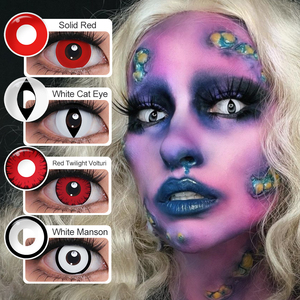
Free Shipping Magister Halloween Lens Crazy Anime Eye Contacts Big Eye Soft Annual Cosplay
View Details →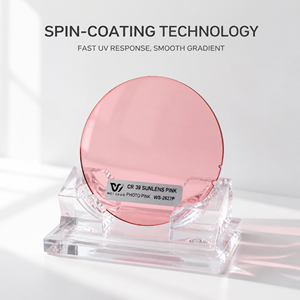
CR39 Photochromic Tinted Lenses Green Color Changing Sunglasses UV400 Activated Resin
View Details →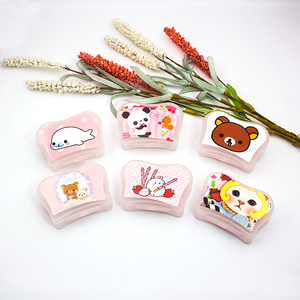
Wholesale New Design Natural Color Contact Lenses with Custom Packaging Case
View Details →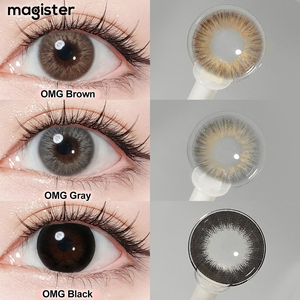
New Arrival Color Lenses Eye Contact Cosmetic Contact Lenses Comfortable Eye Contact Lenses
View Details →1. Enterprise Infrastructure & Manufacturing Authority
As a vertically integrated contact lens manufacturer, Mylensora Technology Co., Ltd. sets the benchmark for OEM, ODM, and private label optical manufacturing across Asia. Operating from a state-of-the-art production complex, our facility synthesizes scientific research, bio-compatible polymer chemistry, precision optical tooling, automated cast molding, and custom secondary packaging into a unified supply model.
With Phase I operating at a validated capacity of 120 million lenses annually and Phase II expansion actively scaling our total footprint, Mylensora provides global optics distributors, optical retail chains, online direct-to-consumer (DTC) brands, and pharmaceutical importers with absolute continuity of supply. Our infrastructure eliminates supply chain fragility through strict adherence to medical device manufacturing protocols certified under CFDA (now NMPA) guidelines, alongside ISO 13485 quality management systems.
Full In-House Integration
From initial contact lens polymer formulation and optical CAD matrix calculation to automated blister seal integrity testing, zero sub-contracting ensures total parameter control and batch-to-batch repeatability.
Regulatory Compliance Matrix
Our soft contact lenses and manufacturing workflows strictly conform to international medical device requirements, facilitating smooth market authorization across North America, Europe, LATAM, and the Middle East.
Global Exhibition Footprint
We demonstrate technical leadership annually at key trade summits including MIDO (Milan), HKTDC Hong Kong International Optical Fair, and Dubai Vision Plus Expo, providing direct touchpoints for global buyers.
2. Technical Whitepaper: Advanced Materials & Color Encapsulation Science
Modern cosmetic and prescription soft contact lenses represent a complex balance of polymer chemistry, fluid dynamics, and corneal optics. OEM/ODM buyers must evaluate manufacturing partners based on fundamental material metrics including Oxygen Transmissibility (Dk/t), Water Content, Modulus of Elasticity, and Surface Wetting Angle.
Sandwich Color Embedding Technology (Micro-Encapsulation)
A critical technical risk in low-grade colored contacts is pigment leaching or direct chemical contact between synthetic colorants and the delicate corneal epithelium. Mylensora utilizes proprietary Sandwich Color Embedding Technology. Under high-precision robotic micro-injection, bio-compatible FDA-approved pigment matrices are embedded completely inside the central hydrogel or silicone hydrogel layer.
- Zero Pigment Surface Contact: Both the front (anterior) and back (posterior) surfaces of the lens remain 100% smooth bio-compatible hydrogel polymer, maintaining physiological corneal health.
- Smooth Frictionless Glides: Polished surface profiles minimize palpebral friction during blinking, preventing superior limbic keratoconjunctivitis (SLK) and foreign body sensation.
- Color Dynamic Fidelity: Multi-tone color dots (1-tone, 2-tone, 3-tone, and natural iris textures) maintain spatial consistency without fading under sterilization autoclave conditions (121°C for 30 minutes).
| Material Classification | Water Content (%) | Dk/t Value (@ -3.00D) | Primary Sourcing Target Channel | Clinical Comfort Advantage |
|---|---|---|---|---|
| HEMA-MAA Hydrogel (Conventional) | 38% - 45% | 15 - 25 Dk/t | Daily / Monthly Fashion & Cosplay Channels | High dimensional stability, low cost, excellent mechanical durability. |
| Next-Gen Silicone Hydrogel (SiHy) | 45% - 55% | 80 - 130 Dk/t | Premium Daily Rx & Extended Wear Optical Chains | Exceptional oxygen flux, reduced hypoxia risk, extended all-day wearability. |
| Bio-Hydration Hydrogel (HA/PVP Enriched) | 55% - 58% | 28 - 35 Dk/t | Sensitive Eye Cosmetic & E-Commerce Retail | Internal moisture-locking agents prevent tear-film evaporation in AC environments. |
Precision Optics: Cast Molding vs. Lathe Cutting
Mylensora operates automated dual-sided full-cast molding technology. Unlike traditional lathe cutting which introduces sub-micron tool marks, full-cast molding uses ultra-polished optical quartz tooling insert molds. This guarantees identical spherical power, exact base curve (BC) stability (typically 8.5mm to 8.7mm tolerances within ±0.05mm), precise optical center positioning, and flawless edge beveling that enhances tear-pump circulation beneath the lens.
3. Industry Development Trends in Cosmetic & Ophthalmic Optics
The global soft contact lens sector is experiencing a rapid convergence between cosmetic enhancement and optical wellness. Procurement teams evaluating contract manufacturers must align their product development strategies with five key technological trends defining the market through 2030:
1. Dominance of Silicone Hydrogel in Cosmetic Formats
Historically, colored contact lenses were limited to conventional HEMA polymers due to color matrix binding challenges in silicone domains. Advanced polymer engineering now allows silicone hydrogel to accept complex iris pigments without compromising the siloxane network's high oxygen permeability. Sourcing daily disposable SiHy colored contacts is now the primary growth lever for high-margin brands.
2. Natural Iris Mimicry for Dark Eyes
Consumer preferences have shifted away from flat, high-opacity solid colors toward hyper-realistic, multi-layered optical designs. Modern market demands require multi-tone radial printing, translucent limbal rings, and subtle pupil gradient transitions specifically calibrated to blend naturally over dark brown or black irises without obstructing visual acuity.
3. Hybrid Functional Features (UV400 & Blue Light Blocking)
Lenses are no longer purely vision-corrective or cosmetic. Modern buyers demand multi-functional protection. Mylensora integrates UV-blocking monomers capable of filtering >85% UVA and >95% UVB radiation directly into the lens matrix, along with targeted high-energy visible (HEV) blue-light attenuation for digital screen users.
4. Expansion of Daily Disposable Packaging Models
While monthly and annual replacement lenses remain vital in cost-sensitive markets, daily disposables dominate mature retail landscapes due to superior hygiene, zero maintenance requirements, and recurring revenue subscription models. OEM/ODM buyers are increasingly leveraging custom blister strip packaging and high-speed box cartoning.
4. Future Procurement Trends & Sourcing Optimization Strategies
Sourcing directors and brand owners navigating the 2025-2030 commercial landscape must adapt to changing supply chain dynamics. Procurement optimization requires balancing minimum order quantities (MOQs), customization depth, packaging flexibility, and regulatory documentation.
A. Agile Low-MOQ Launch Systems for Private Labels
To reduce capital risk for new brand rollouts, modern OEM suppliers must offer flexible low-MOQ starter tiers for standard catalog shades while providing clear scale-up pathways for custom color development (ODM). Mylensora supports brand validation phases by combining unified base curve/diameter stocks with customized private label blister foil packaging.
B. Eco-Conscious Blister & Packaging Architecture
Sustainability is now a key evaluation metric in retail tenders. Future-ready procurement strategies require lightweight polypropylene blister cups, reduced foil thickness without compromising hermetic seal strength, and recyclable FSC-certified secondary paper boxes, all supported by our in-house packaging design team.
C. Turnkey Private Label Ecosystems
Successful sourcing relies on end-to-end partner capability. OEM/ODM contracts now extend beyond lens molding to encompass complete brand creation—including automated sterile blister filling, custom barcode/UDI serialization, compliant localized multi-language labeling, point-of-sale display trays, and matching lens case kit accessories.
| Procurement Phase | Key Sourcing Action | Mylensora Deliverable / OEM Support | Risk Mitigation Factor |
|---|---|---|---|
| Phase 1: Concept & Selection | Target demographic profiling & material choice | Catalog sample kits (Natural, Fashion, Cosplay, SiHy) | Validates color blend performance over dark eyes |
| Phase 2: Custom ODM Sampling | Unique pattern design & optical parameter setting | Precision trial molds & pre-production proofing | Ensures exact color match before mass production |
| Phase 3: Regulatory Dossier | Product registration in destination country | Full technical files, Certificate of Free Sale (CFS), ISO/CE/NMPA data | Prevents customs holds & regulatory rejections |
| Phase 4: Full Scale OEM | Automated production, custom blister & box packaging | Batch sterile testing, real-time lead time tracking | Guarantees 100% parameter compliance & on-time delivery |
5. Enterprise Advantages & B2B Value Proposition
Partnering with Mylensora Technology Co., Ltd. provides distinct structural advantages for global B2B buyers seeking sustained brand equity and competitive margin structures:
- Direct Factory Pricing & Zero Middleman Margins: Deal directly with the manufacturer to maximize gross margins and maintain control over product specifications.
- Uncompromising Quality Assurance: Every lens undergoes automated optical power verification, digital surface defect screening, edge inspection, and post-autoclave sterility testing.
- Dedicated In-House R&D Team: Continuous innovation in polymer chemistry, micro-pigment suspension, and ergonomic optical surface engineering.
- Turnkey Customization (OEM / ODM / Private Label): Custom box architecture, blister foil graphics, instruction manual translation, and branded lens kit bundle assembly.
- Robust Inventory for Fast Dispatch: We maintain deep buffer stocks of top-selling standard color shades and myopia powers to fulfill quick-turnaround orders.
- Comprehensive Export Experience: Years of international trade compliance ensuring smooth customs clearance across North America, the EU, Latin America, Southeast Asia, and the Middle East.
6. Frequently Asked Questions (FAQ) for B2B Procurement
Find answers to common technical, manufacturing, and commercial questions from procurement directors, optical distributors, and private label brand founders.
Is Mylensora a direct factory or a trading company? +
What custom OEM, ODM, and Private Label services do you provide? +
What are your Minimum Order Quantities (MOQs) for stock vs. custom projects? +
Which regulatory certifications and quality standards does your factory hold? +
Can you manufacture prescription colored contact lenses for myopia correction? +
What are your standard manufacturing lead times and delivery schedules? +
Ready to Build Your Custom Contact Lens Brand?
Connect directly with our engineering and commercial teams to request technical specifications, order sample kits, or initiate a private label OEM/ODM production inquiry.