Cosmetic / Half-Yearly
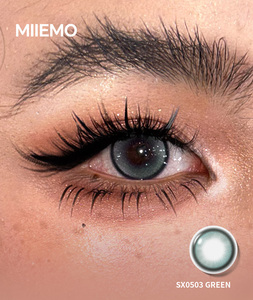
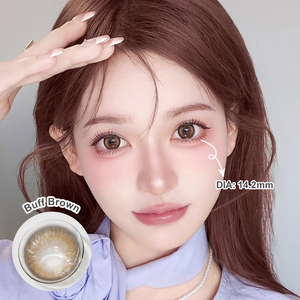
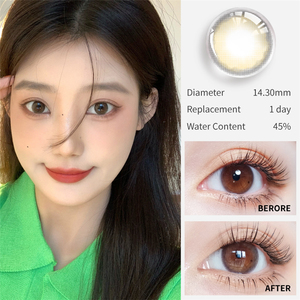
Miiemo High Quality Soft Cosmetic Half-Yearly Colored Contact Lenses
- Water Content: 38%
- Lifecycle: 6 Months
- Red/Gray/Green
Engineered with bio-compatible poly-HEMA hydrogel and advanced silicone polymers. Compliant with NMPA, ISO 13485, and CE technical standards for global market entry.
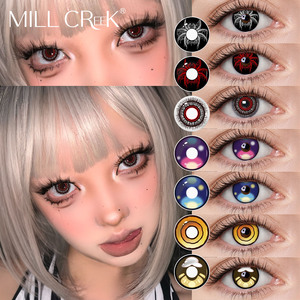
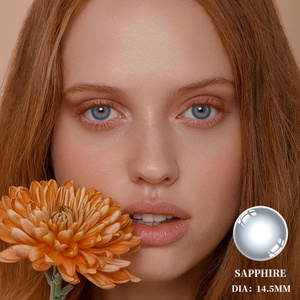
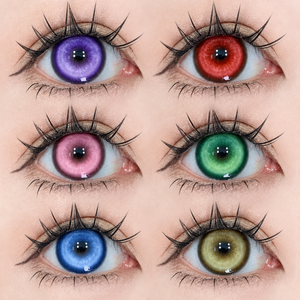
The global contact lens industry is undergoing a profound paradigm shift. Driven by dual growth in aesthetic optical cosmetic demand and clinical vision-correction requirements, optical brand owners, pharmacy retail chains, and ecommerce distributors require OEM/ODM contact lens manufacturing partners capable of delivering uncompromising medical safety, high material performance, and agile contract manufacturing scalability. As a pioneer in optical medical device engineering, Mylensora Technology Co., Ltd. stands as a premier OEM/ODM contact lens factory and enterprise supplier, bridging advanced polymer chemistry with high-precision automated cast-molding manufacturing.
This technical sourcing guide explores the criteria required for evaluating a contact lens factory, from monomer chemistry and mold tooling precision to Class III medical device regulatory approval and custom private label packaging workflows.
For cosmetic and colored contact lenses, color pigment safety is the primary clinical concern. High-tier OEM contact lens manufacturers utilize 3D Bio-Encapsulated Sandwich Technology. Instead of surface-printing pigments, pigments are micro-encapsulated inside two bio-compatible hydrogel layers (poly-HEMA). This guarantees that color colorants never come into direct contact with the ocular surface, cornea, or palpebral conjunctiva, preventing pigment leaching, corneal staining, and allergic micro-abrasions.
A contact lens is legally classified as a high-risk medical device (Class III under China NMPA/CFDA, Class II/IIa/IIb under US FDA and EU MDR). Evaluating an OEM contract manufacturer requires auditing their cleanroom environment, automation grade, and production capacity.
Direct compliance with China National Medical Products Administration standards. Full batch traceability with complete Certificate of Analysis (CoA) documentation for every lot.
Dedicated chemical engineering labs developing proprietary non-ionic hydrogels, high oxygen-transmissibility silicone hydrogel monomers, and anti-UV blocking formulations.
Complete ODM turnkey service including custom pattern iris artwork, primary blister foil printing, secondary box packaging, and multi-language regulatory labeling.
Choosing the correct hydrogel formulation is critical to market positioning. Optical distributors must align material characteristics with user wearing habits (daily disposable vs. monthly vs. yearly replacement schedules).
| Polymer Classification | Monomeric Composition | Water Content | Oxygen Transmissibility (Dk/t) | Target Market Segment |
|---|---|---|---|---|
| Hydrogel (p-HEMA) | Poly-2-hydroxyethyl methacrylate + MAA | 38% – 42% | 15 – 25 Dk/t | Cosmetic colored lenses, costume/cosplay, cost-sensitive high-volume distribution |
| High-Moisture Hydrogel | HEMA + NVP + Hyaluronic Acid Agent | 55% – 58% | 28 – 35 Dk/t | Daily disposable clear/colored prescription lenses, sensitive eyes |
| Silicone Hydrogel (SiHy) | Fluoro-siloxane Macromer + HEMA + DMA | 45% – 48% | 80 – 130+ Dk/t | Premium optical chains, extended daily wear, medical myopia correction |
Technical Parameter Metrics for Quality Audits:
Key market evolution vectors driving global supply chains from 2025 through 2030.
Global consumer behavior is accelerating away from traditional annual lenses toward daily disposable contact lenses. Driven by hygiene awareness, ease of use, and zero maintenance overhead (eliminating lens care solutions and storage cases), brand owners must secure high-volume daily blister packaging capacity to capture market share in North America, Europe, and urban Asian markets.
Historically, cosmetic colored contact lenses were manufactured almost exclusively using p-HEMA hydrogel materials. Next-generation OEM buyers are demanding Silicone Hydrogel colored contact lenses. Combining high oxygen permeability (Dk/t > 80) with complex multi-tone cosmetic iris patterns enables optical brands to position colored lenses as healthy, premium, medical-grade eye beauty products.
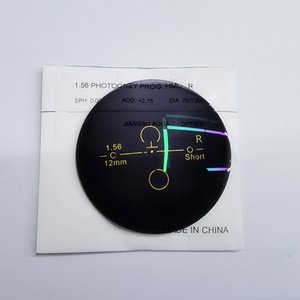
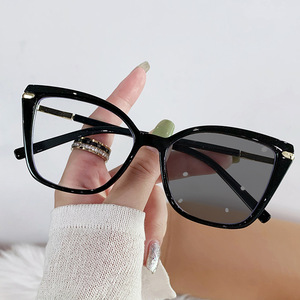
Contact lens manufacturing is extending beyond simple spherical prescription optics. Factory R&D is focusing on multi-functional optics, including blue-light filtering monomers, photochromic light-adapting contact lenses, dual-focal myopia control lenses for adolescent vision care, and bio-moisturizing lenses enriched with Hyaluronic Acid (HA) or Trehalose embedded into the blister buffer solution.
A structured 6-phase engineering roadmap taking your contact lens project from initial color artwork design to global regulatory delivery.
Define product target, material requirements, prescription power range (-0.00 to -10.00D), and wearing schedule.
Digital iris pattern design, color dot matrix separation, and physical sample trial molding.
Dossier compilation, technical data sheets (TDS), certificates of free sale (CFS), and NMPA/CE registration support.
Automated monomer injection, thermal/UV curing polymerization, edge polishing, and extraction processing.
100% optical power validation via automated lensmeters, surface defect optical inspection, and sterility testing.
Blister heat sealing, batch inkjet coding, box packaging, secondary cartoning, and international logistics export.
Essential regulatory, technical, and commercial answers for brand managers and procurement officers.
Access our complete product catalog, request physical evaluation samples, or schedule a technical consultation with our optical OEM engineering team today.