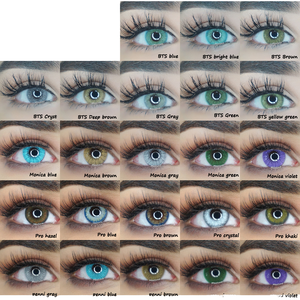
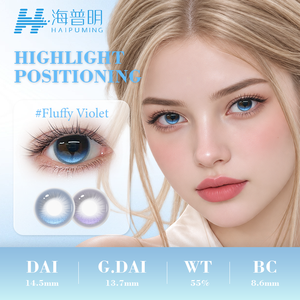
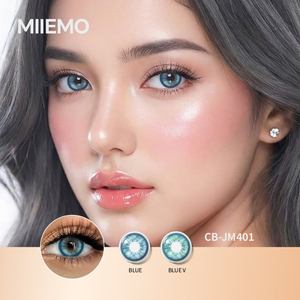
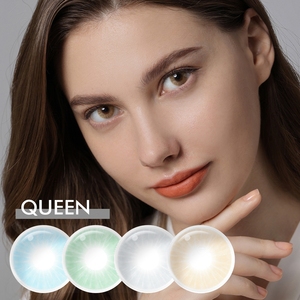
As a fully integrated optical device enterprise combining advanced polymer physics, custom iris graphic synthesis, and high-speed automated casting, Mylensora Technology Co., Ltd operates as a premier primary source manufacturer for international brands, medical distributors, and specialized e-commerce platforms.
Industrial Scale & Infrastructure
Our Phase I manufacturing complex boasts an annual production yield exceeding 120 million lenses. With Phase II expansion currently under development, Mylensora is positioned to form Asia's largest dedicated production base for cosmetic and prescription soft contact lenses, featuring Class 100,000 cleanroom environments and automated optical inspection systems.
Medical-Grade Quality Assurance
Certified under CFDA (NMPA) regulations and aligned with international ISO 13485 medical device quality management frameworks, every batch undergoes 100% automated optical power measurement, edge defect checking, cytotoxicity evaluation, and bio-burden sterility verification to ensure absolute end-user safety.
In-House R&D & Design Laboratory
Eliminating intermediate trading costs, our internal optical research department develops original color matrix formulations, multi-tone iris gradients, and ergonomic base-curve geometries. We provide seamless co-development (ODM) and specification-driven production (OEM) from prototype sampling to final mass packaging.
Cosmetic colored contact lenses sit at the complex intersection of ophthalmic optics, polymer chemistry, and aesthetic design. Sourcing high-performance contact lenses requires a thorough understanding of core polymer characteristics, pigment containment mechanisms, and boundary layer fluid dynamics.
1. Micro-Encapsulation "Sandwich" Printing Technology
A primary concern for regulatory authorities and eye care professionals (ECPs) is the physical separation of organic and inorganic pigments from direct corneal and conjunctival tissue contact. Low-tier cosmetic lenses often employ surface printing techniques where colorants are pad-printed directly on the exterior lens geometry, predisposing the eye to mechanical friction, pigment leaching, and surface roughness.
Mylensora utilizes an advanced Three-Layer Sandwich Polymerization Process. The color pigment matrix is micro-encapsulated precisely between an anterior hydrogel cover layer and a posterior base hydrogel matrix layer. This structural sandwich ensures:
- Zero Pigment Exposure: Colorants remain completely sealed inside the hydrogel polymer, eliminating chemical oxidation and direct contact with lacrimal fluid.
- Smooth Corneal Interaction: Both anterior and posterior lens surfaces remain completely smooth, maintaining normal blink mechanics and tear-film stability.
- Color Longevity & Fastness: Encapsulated dyes resist degradation from multi-purpose cleaning solutions, UV radiation, and mechanical rubbing during maintenance.
2. Material Formulations: Poly-HEMA vs. Third-Generation Silicone Hydrogel
Choosing the correct hydrogel substrate dictates comfort, wearing modality (daily vs. monthly/yearly), and oxygen transmissibility ($Dk/t$).
| Polymer Parameter | Poly-HEMA Hydrogel Matrix | Silicone Hydrogel (SiHy) Composite |
|---|---|---|
| Oxygen Transmissibility ($Dk/t$) | 15 – 25 $10^{-9}$ (Suitable for daily/short duration) | 80 – 120+ $10^{-9}$ (Extended wear comfort) |
| Water Content Range | 38% – 45% (High stability, low evaporation) | 40% – 55% (Balanced hydration & flux) |
| Modulus (Flexibility) | 0.3 – 0.5 MPa (Ultra-soft initial insertion) | 0.6 – 0.9 MPa (Enhanced handling & shape retention) |
| Bacterial Adhesion Resistance | Excellent hydrophilic barrier properties | Optimized with surface plasma treatment |
| Target Sourcing Application | Cost-effective cosmetic, cosplay & fast-fashion daily lenses | Premium optical lines, high-Dk prescription colored lenses |
3. Rotationally Stable & Aspheric Optical Architecture
To prevent visual distortion caused by lens rotation—especially in asymmetrical or highlight color patterns—Mylensora incorporates double-aspheric front and back surface geometries combined with precision ballast thickness distribution. This maintains rotational stability across high-diameter (14.2mm - 14.5mm) cosmetic lenses, preventing ghosting effects while delivering sharp optical acuity across all refractive powers (0.00 to -10.00 Diopters).
Analyzing global consumer demands, market entry regulations, and supply chain shifts shaping the colored contact lens sector over the next decade.
1. Accelerating Shift to Daily Disposables
Global market data indicates a decisive move away from long-term wear modalities (yearly/6-month) toward single-use daily disposable colored contacts. Driven by heightened consumer hygiene awareness and convenience, daily disposables eliminate cleaning compliance issues while dramatically increasing repeat replenishment cycles for brand owners.
2. Functional Hybridization (Cosmetic + Prescription)
The boundary between medical vision correction and cosmetic beauty products has vanished. Procurement teams must source catalog lines offering full diopter prescription coverage (Myopia power -0.50 to -10.00D) alongside Plano (0.00) cosmetic options, allowing optical retail chains to serve prescription wearers seeking subtle aesthetic enhancements.
3. Hyper-Realistic Iris Patterning
Flat, high-contrast 3-tone rings are being replaced by micro-dot pixelation techniques that mimic natural human limbal rings and radial pupil structures. Utilizing advanced algorithmic pattern generation, current trends demand natural color blending optimized for both light and dark native eye tones.
How Mylensora transitions your brand vision into compliant, market-ready, shelf-packaged medical devices.
1. Graphic & Pattern Design
Select from our extensive library of over 500 validated color patterns or collaborate with our designers to synthesize custom iris artwork tailored to regional beauty preferences.
2. Material & Parameter Setup
Define specific lens geometries: Base Curve (8.5mm - 8.7mm), Diameter (14.0mm - 14.5mm), Water Content (38% - 55%), and choice of HEMA or Silicone Hydrogel matrix.
3. Sterile Packaging & Branding
Fully customized PP blister structures, printed foil lids, primary folding boxes, multi-pack cartons, and multi-language instruction leaflets compliant with target country labeling laws.
4. Regulatory File Compilation
Receive comprehensive technical dossiers including Certificates of Analysis (CoA), sterilization reports, biocompatibility summaries, and free-sale certificates to streamline local customs registration.
Addressing critical technical, regulatory, and logistics queries for professional optical buyers and brand managers.
Mylensora continuously connects with regional distributors, retail optical chains, and brand owners at leading international optical events worldwide, including MIDO Eyewear Show (Milan), HKTDC Hong Kong International Optical Fair, and Dubai Vision Plus Expo.