Featured Wholesale & Custom Packaging Products
Engineered to international optical standards with custom branding, low MOQs, and complete regulatory compliance.
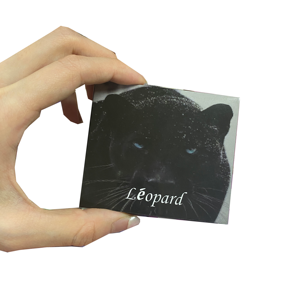
Free Design Paper Box Custom Logo Contact Lens Paper Packaging Boxes
View Product Details →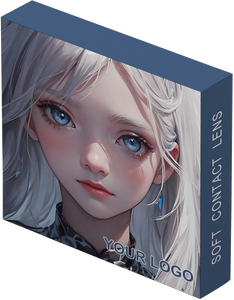
Wholesale Customized Contact Lens Packaging Box Two Piece Folding Portable Case OEM Private Label for Gift Craft
View Product Details →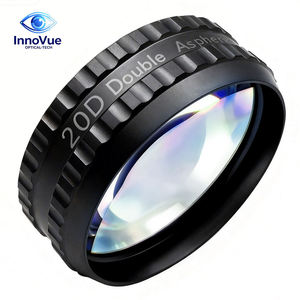
InnoVue Opto 20D Ophthalmic Fundus Contact Lens CE ISO Certified with 1 Year Warranty OEM Customization for Hospital Use
View Product Details →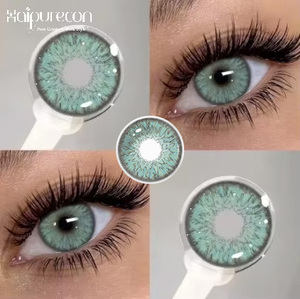
Soft Contact Lenses Beautiful Big Eyes Makeup Wholesale OEM ODM Haipurecon Hot Style
View Product Details →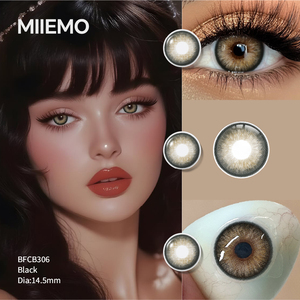
DSC Factory Soft Color Eye Lenses 6 Month Use HD Series Colored Contact Lenses for Daily Wear Dating Party
View Product Details →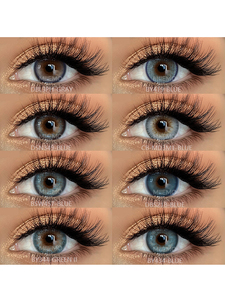
For MIIEMO 14.0mm Blue Cosmetic Colored Contact Lenses 1 Pair Soft Eyewear Lens
View Product Details →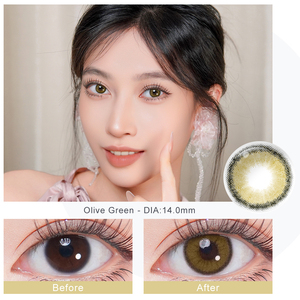
Customized Package Contact Lenses Natural Wholesale Color Contact Lenses OEM Hidrocor Contact Lenses Lentes De Contacto De Color
View Product Details →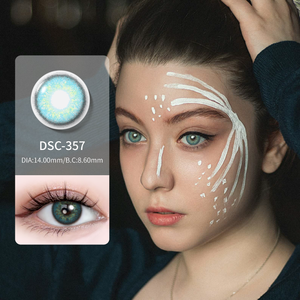
Crazy Cosplay Anime Halloween Party Accessories Colored Contact Lenses
View Product Details →Precision OEM/ODM Manufacturing Infrastructure
Mylensora Technology Co.,Ltd: Redefining Medical-Grade Cosmetic Lens Production for Global Brands
Vertical Integration & Capacity
Integrating in-house lens optics R&D, bio-compatible color matrix engineering, high-precision cast-molding, and automated blister packing. With Phase I generating over 120 million lenses annually and Phase II expansion actively scaling, Mylensora represents one of Asia's largest non-prescription and prescription cosmetic contact lens manufacturing hubs.
Stringent Regulatory Compliance
Non-prescription colored lenses are classified as medical devices across major international jurisdictions. Our cleanrooms meet Class 100,000 (ISO Class 8) standards. Certified under CE Medical Devices Regulation (MDR) frameworks and National Medical Products Administration (NMPA/CFDA), we guarantee full traceability and physical safety for every batch shipped.
Full Private Label Ecosystem
From custom dot-matrix iris pattern development to secondary folding paper boxes and OEM blister foils, we provide turnkey solutions for direct-to-consumer (DTC) optical brands, retail beauty chains, and pharmaceutical distributors aiming to establish high-margin contact lens lines.
Evolution of Non-Prescription Colored Contact Lens Engineering
A technical benchmark comparing hydrogel polymer matrices, pigment sandwich encapsulation, and ocular health dynamics.
Bio-Sandwich Color Printing Technology
Legacy cosmetic contact lenses printed pigments directly on the posterior lens surface, posing potential risks of corneal abrasion or dye leaching. Mylensora utilizes a proprietary 3-Layer Bio-Sandwich Micro-Encapsulated Tech. Color pigments are fully embedded between two transparent layers of hydrophilic polymer (such as HEMA-MAA copolymers). This ensures that color pigments never come into contact with corneal epithelial tissues while maintaining vivid color vibrancy, high optical transparency, and ultra-smooth tactile comfort.
Oxygen Permeability & Moisture Dynamics
Achieving equilibrium between high water content and superior oxygen transmissibility (Dk/t) is critical for cosmetic wearers. Modern non-prescription colored lenses leverage Silicone Hydrogel (SiHy) formulations and modified Poly-HEMA matrices integrated with Hyaluronic Acid (HA) and Poloxamer wetting agents. This lowers the dehydration rate of the tear film, prevents hypoxia-induced hyperemia, and ensures extended wearing comfort for up to 12 hours without ocular fatigue.
| Material Class | Water Content | Oxygen Transmissibility (Dk/t) | Primary Target Channel | Encapsulation Method | Key Advantage |
|---|---|---|---|---|---|
| Hydrophilic Poly-HEMA | 38% - 42% | 15 - 25 Dk/t | Daily / Monthly Fashion Retail | Full Micro-Sandwich | Cost-effective, excellent shape retention & ease of handling |
| Advanced Silicone Hydrogel (SiHy) | 45% - 55% | 80 - 120 Dk/t | Premium Optical Chains & Rx | Interlocking Monomer Matrix | Uncompromised corneal oxygenation for sensitive eyes |
| HA-Infused Hydrogel | 55% - 58% | 28 - 35 Dk/t | Single-Use Daily Disposables | Bio-Lock Layering | All-day hydration cushion, reduced lipid deposit buildup |
Future Procurement Trends in Cosmetic Contact Lenses
Strategic insights for global importers, brand managers, and optical procurement directors.
1. The Shift to Daily Disposables
While monthly and annual lenses historically dominated the wholesale market due to unit price advantages, global consumer sentiment is shifting rapidly toward daily disposable colored lenses. Brands must align procurement strategies with sterile single-use blister packs to capitalize on rising hygiene awareness and recurring subscription models.
2. Hyper-Natural "Iris-Blending" Patterns
Heavy, harsh dark limbal rings are giving way to multi-tone translucent radial printing. Modern consumers seek subtle shade shifts (such as olive-hazel, misty grey, and soft amber) that integrate seamlessly with natural dark or light eye colors. Photorealistic digital rendering in pattern R&D is now an essential OEM requirement.
3. Stricter EU MDR & Global Compliance
Regulatory authorities in Europe (MDR 2017/745), the US (FDA), and the Middle East are reclassifying non-prescription cosmetic lenses under rigorous medical device standards. Importers must partner with manufacturers capable of delivering comprehensive Technical Documentation Files (TDF), ISO 13485 audit reports, and clinical safety validations.
4. Sustainable & Eco-Friendly Packaging
With millions of plastic blisters produced globally every day, buyers are increasingly demanding recycled paper boxes, minimized foil consumption, and bio-based blister plastic materials to conform to stringent environmental legislation such as the EU Packaging and Packaging Waste Regulation (PPWR).
Frequently Asked Questions for B2B Importers & Brands
Essential regulatory, technical, and commercial answers to streamline your supply chain evaluation.
What regulatory certificates are required to import non-prescription colored contact lenses into the EU and US?
+
How does Mylensora ensure color consistency across large OEM production runs?
+
What is the Minimum Order Quantity (MOQ) for custom private-label contact lens packaging?
+
What is the shelf life and sterilization protocol of your contact lenses?
+
Can non-prescription colored contact lenses be ordered with prescription powers (myopia correction)?
+
What are the lead times for custom OEM/ODM production orders?
+
Scale Your Contact Lens Brand with Factory-Direct Engineering
Partner with Mylensora Technology Co.,Ltd for CE-certified, ultra-comfortable non-prescription and prescription colored contact lenses tailored to your brand specifications.