Choosing where to buy the best color contact lenses in China takes more than comparing colors and prices. A vivid gray lens may look subtle in a product photo, yet appear much brighter in daylight. Fit matters, too. A lens that feels uncomfortable can distract you all day.
Reliable options may include established optical shops, eye-care clinics, and reputable online retailers that clearly identify the seller and product. Look for complete packaging, manufacturer details, usage instructions, and a clear return policy. If a listing hides basic information, pause. A low price is not proof of quality.
Contact lenses sit directly on the eye. That makes professional guidance important, even when the lenses are purely cosmetic. An optometrist or other qualified eye-care professional can assess fit and discuss whether a lens suits your eyes. Ask about wear time, cleaning, and replacement schedules. Do not share lenses or use them beyond their intended period.
This guide will compare shopping channels in China and explain what to check before ordering. It will also cover color choices, comfort, and warning signs that deserve attention. Online reviews can help, but they are not a substitute for product details or professional advice. I have found that attractive packaging can make a product seem more trustworthy than it is. That impression can be wrong. Take time to verify the seller, read the instructions, and choose color contact lenses with eye health in mind.
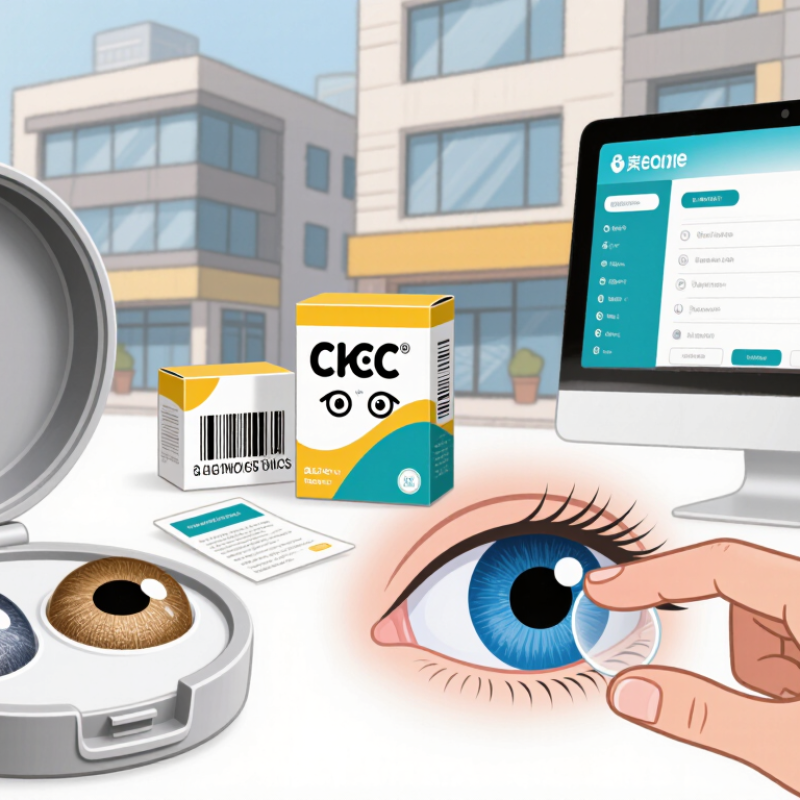
China’s color contact lens market serves shoppers looking for subtle changes or vivid styles. Options vary by city and seller. Optical shops and online marketplaces may offer different shades, wearing schedules, and prescription choices. Photos can be misleading: a gray lens may look blue on dark eyes, while indoor lighting can soften its color. The fit matters as much as the shade. Contact lenses sit directly on the eye, so a poor fit can cause irritation or blurred vision.
When comparing products, check the package for lens measurements, prescription details, expiry date, and clear manufacturer information. Ask an eye-care professional to assess fit and explain safe wear and cleaning. A seller’s popularity is not proof that a lens suits your eyes. Availability and product information can change, and honestly, comparing every listing can feel confusing. That is a reason to slow down, not guess.
Tips
Try lenses with professional guidance before choosing a long-term supply. Never share lenses, even for a quick photo. Stop wearing them if your eyes become painful, red, or unusually sensitive to light, and seek professional advice. Keep the packaging until you know the lenses are comfortable.
Where to Buy the Best Color Contact Lenses in China?
When comparing color contact lenses in China, start with the seller, not the shade. Look for an established optical shop or a verified online retailer that provides clear product details and access to qualified eye-care advice. Check that packaging is sealed, instructions are available, and the product information includes lens material, replacement schedule, and manufacturer details. Check the seal. A low price alone tells you little about quality.
Fit and eye health matter as much as appearance. Contact lenses need to match your prescription and eye measurements, even when worn mainly for cosmetic reasons. Ask an eye-care professional to assess the fit, especially if you have never worn lenses before. A lens that feels scratchy, shifts when you blink, or leaves your eyes red is not a good fit. Remove it and seek professional advice if discomfort continues. A vivid product photo can hide how a lens looks on your own eyes, and online reviews may not reflect your experience. I might still be tempted by a dramatic color; that is a reason to pause, not a reason to skip the checks.
Where to Buy Color Contact Lenses in China
In China, buy color contact lenses from licensed optical shops or verified online medical-device retailers. Colored lenses are regulated medical devices, not ordinary fashion accessories. Check that the seller displays its medical-device business credentials and that the product packaging carries Chinese labeling, manufacturer details, and registration information. If those details are hard to find, pause before ordering.
Online shopping is convenient, but convenience does not confirm a lens will fit your eyes. The China Internet Network Information Center reported 915 million online shoppers in its 55th Statistical Report, published in 2025. That figure describes online shopping overall, not contact-lens sales. Still, it explains why many shoppers compare products online before visiting an optical professional. Get an eye examination and ask about lens size, material, wear time, and cleaning. A lens that looks natural in a close-up photo may feel dry after a few hours. That part is easy to overlook. Do not choose a prescription or diameter based only on a seller’s chart; eye measurements and professional advice matter.
Choosing Color Contact Lenses in China: Compare replacement schedules, not just appearance. Daily lenses are discarded after one day; two-week and monthly lenses are replaced according to their labeled schedule. Always follow the product instructions and an eye-care professional’s advice.
Where to Buy the Best Color Contact Lenses in China?
How to Verify Retailer and Product Authenticity
A trustworthy seller should provide clear business details, accessible customer support, and complete product information. In China, check whether the product’s medical-device registration details match records in official government databases. Do not rely on a registration number printed in a product photo alone. Compare the product name, manufacturer, specifications, and intended use with the official listing. Ask the seller for documentation if anything is unclear. A careful retailer should not treat reasonable questions as a nuisance.
Inspect the package when it arrives. Check that the seal is intact and that the product name, batch or lot number, and expiry date are readable and consistent across the box and individual blister packs. Look for damaged packaging, spelling errors, or details that differ from the seller’s listing. Small details matter. Keep your receipt and packaging until you are confident the product is genuine.
If a lens feels uncomfortable, looks unusual, or causes redness or blurred vision, stop wearing it and contact an eye-care professional. Online reviews can offer clues, but they cannot confirm authenticity. I might still miss something on a rushed inspection, so I would verify the records before buying, not after opening the box.
Where to Buy the Best Color Contact Lenses in China?
Safe Purchase and Use of Color Contact Lenses
When shopping for color contact lenses in China, choose a licensed optical shop or a reputable seller that provides clear product information and professional support. Check the packaging for the manufacturer, lens specifications, expiry date, and applicable registration details. If anything is missing or hard to verify, pause before buying. A low price is not proof of a good deal.
Ask an optometrist or eye-care professional to check your prescription and measure your eyes, even if you only want lenses for appearance. A lens that looks right in a photo may not fit your cornea. That matters. Follow the wear schedule, wash and dry your hands before handling lenses, and use fresh recommended solution. Never rinse lenses with tap water or share them, even briefly. Remove them if your eyes become painful, red, or unusually sensitive to light, and seek professional advice. I used to think a quick online purchase was simple; honestly, I would now check the seller and fit before considering the color.
| Decision Area | What to Check | Safer Approach in China | Why It Matters |
|---|---|---|---|
| Where to buy | Whether the seller is authorized to sell medical devices and can provide clear product and seller information. | Choose a licensed optical retailer, an eye-care provider, or a reputable online seller that can be independently verified. Avoid street stalls and listings with unclear seller details. | Color contact lenses are medical devices, including lenses sold primarily for cosmetic appearance. |
| Product registration | Check the product’s medical-device registration information, intended use, manufacturer details, and labeling. | Where applicable, compare the registration details with records in the National Medical Products Administration (NMPA) database. Do not rely only on a product photo or seller claim. | Registration and traceable labeling help you assess whether a product is legally marketed and identify its source. |
| Prescription and fitting | Ask an eye-care professional to assess eye health and determine lens parameters, including those needed for a comfortable fit. | Arrange an eye examination before buying, especially if you have never worn contact lenses or have an existing eye condition. | A glasses prescription does not provide all the measurements needed to fit contact lenses safely. |
| Product information | Confirm that packaging is intact and that the lens material, power, base curve, diameter, expiry date, and replacement schedule are clearly stated. | Buy sealed products with readable instructions and a traceable batch or lot number. Do not use damaged, unlabelled, or expired lenses. | Clear specifications help ensure the lens suits your eyes and can be used according to its instructions. |
| Online purchase | Review the seller’s business and device information, product listing, return terms, and customer-service details. | Use established sales channels that provide verifiable documentation. Be cautious of unusually low prices, vague origin claims, or products sold without packaging. | Online availability alone does not confirm that a seller or product is suitable or authentic. |
| Hygiene | Follow the lens and care-solution instructions for cleaning, storage, and replacement. | Wash and dry hands before handling lenses. Use fresh contact-lens solution; never use tap water or saliva to clean or store lenses. | Water and poor handling hygiene can expose lenses and eyes to harmful microorganisms. |
| Wear and replacement | Check whether the lenses are daily disposable or designed for another replacement schedule, and observe the stated wearing guidance. | Do not sleep in lenses unless specifically directed by an eye-care professional, and do not extend the replacement period. | Overwear and sleeping in lenses can increase the risk of eye irritation and serious complications. |
| Warning signs | Watch for eye pain, redness, light sensitivity, blurred vision, unusual discharge, or persistent irritation. | Remove the lenses and seek prompt professional eye care if these symptoms occur. Do not put the lenses back in while symptoms continue. | Some contact-lens-related problems need timely assessment and treatment. |
Choose an established optical shop or a verified online medical-device retailer. Check its credentials.
No. They sit directly on your eyes and require careful fitting and use.
Look for lens measurements, material, prescription details, replacement schedule, expiry date, and manufacturer information. Keep the packaging.
Yes. Ask an eye-care professional to assess your prescription, eye measurements, and lens fit. Even cosmetic lenses need a suitable fit.
Not always. Lighting and natural eye color can change how a shade appears. A gray lens may look blue on dark eyes.
No. Popularity does not show whether a lens suits your eyes. That distinction is easy to miss.
Remove it if it feels scratchy or your eyes become red, painful, or sensitive to light. Seek professional advice if symptoms continue.
No. Never share contact lenses, even briefly. It is not worth the risk.
China offers a range of options for people seeking color contact lenses, from optical stores and eye-care clinics to established online retailers. The best choice depends not only on color and appearance but also on fit, material, breathability, comfort, and whether the lenses are appropriate for your eyes. A professional eye examination can help determine the right specifications, even if you do not need vision correction.
Before purchasing, check that the seller provides clear product details, sealed packaging, traceable manufacturing information, and reliable customer support. Be cautious of unusually low prices or listings with incomplete descriptions, and confirm product authenticity through the seller’s verification process when available. Follow the care instructions, wash and dry your hands before handling lenses, never share them, and replace them as directed. Stop wearing them and seek advice from an eye-care professional if you experience pain, redness, or blurred vision.